Port-au-Prince, Haiti
- 1,234,742 people
- 14 places to visit
- 18.5944, -72.3074
Places to Visit (14)
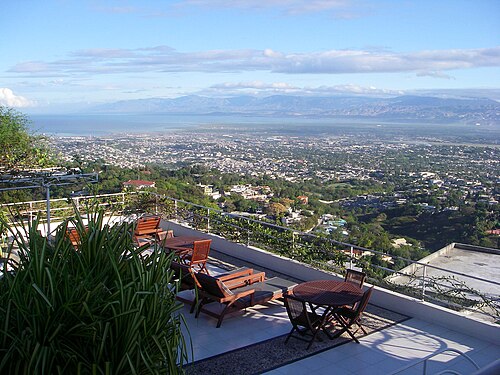
Port-au-Prince, the capital and largest city of Haiti, is situated on the Gulf of Gonâve in the western part of the country. With a population of approximately 1.2 million people in the city proper and over 2.5 million in the surrounding metropolitan area, it serves as the political, economic, and cultural heart of Haiti. Founded in 1749 by the French, Port-au-Prince was initially developed as a port town and has since grown into a vibrant city marked by a mix of colonial architecture, lively markets, and a rich artistic scene. The city is divided into several neighborhoods, each showcasing distinct aspects of Haitian life, such as the bustling downtown area, the historical Palais de l'Art, and the affluent suburb of Pétion-Ville.
Despite its vibrant culture, Port-au-Prince has faced numerous challenges, particularly due to natural disasters and political instability. The most significant event in recent history was the catastrophic earthquake that struck on January 12, 2010, resulting in the loss of over 230,000 lives and severe infrastructural damage. The aftermath prompted a massive international relief effort, although recovery has been slow and complicated by ongoing political turmoil and economic hardship. The city grapples with issues related to inadequate housing, unemployment, and public health challenges, which have been exacerbated by the COVID-19 pandemic. Nonetheless, Port-au-Prince remains a center for resilience, with efforts underway to rebuild and revitalize the city through community-led initiatives and various development projects.
Culturally, Port-au-Prince is a hub of Haitian art, music, and cuisine, with vibrant markets like the Iron Market offering local crafts, food, and textiles. The city celebrates its heritage through events such as Carnival, which draws visitors from around the world. Institutions like the Musée du Panthéon National Haïtien and the OVA Museum of Art showcase the country's rich historical and artistic narrative. The spirit of the Haitian people is evident in their expressions of creativity, hope, and determination, making Port-au-Prince not just a city marked by its struggles, but also one that embodies the resilience and vitality of its inhabitants.
Facts about Port-au-Prince
- Port-au-Prince is the capital and largest city of Haiti, serving as the political, economic, and cultural center of the country.
- The city was established in 1749 and named after the French term for 'Port of the Prince', highlighting its colonial roots.
- Port-au-Prince is home to the Iron Market (Marché en Fer), a historic market that was rebuilt after being destroyed in the 2010 earthquake.
- The city features the National Palace, which was the official residence of the President of Haiti until it was destroyed in the 2010 earthquake.
- Port-au-Prince has worked to revitalize its urban areas through initiatives like the 'Rent-a-Space' program, aimed at improving local businesses.
- The city is known for the vibrant art scene, particularly in the neighborhood of Jacmel, and hosts the annual Caribbean Carnival.
- Port-au-Prince is located in a sheltered bay, making it the country's main port and a hub for maritime trade.
- It is the starting point for many cultural festivals in Haiti, including the Haitian Carnival, showcasing the rich heritage of the nation.
- The historic Citadelle Laferrière, a UNESCO World Heritage Site, overlooks the city and is a symbol of Haiti's fight for independence.
- Port-au-Prince has a diverse population and is known for its unique blend of Haitian Creole and French influences in culture and cuisine.