Port Glasgow, United Kingdom
- 15,190 people
- 9 places to visit
- 55.9323, -4.6798
Places to Visit (9)
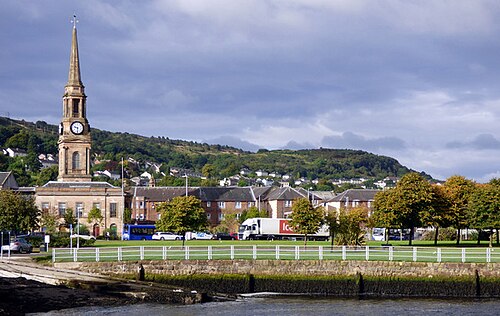
Port Glasgow is a town located in Inverclyde, Scotland, situated on the northern shore of the River Clyde, approximately 20 miles west of Glasgow. Historically significant as a shipbuilding center starting in the 18th century, Port Glasgow played a pivotal role in the maritime industry during Scotland's industrial revolution. The town's origins date back to the early 18th century when it was established as a town to serve as a port for Glasgow, allowing ships to bypass the difficulties of navigating the River Clyde. In 1975, it was officially designated as a town, which contributed to its recognition as an important industrial hub.
The town features a mix of historical architecture and modern development, with notable structures including the old custom house, completed in 1825, which reflects the town’s rich maritime history. Port Glasgow was home to various shipyards, including famous names like Scott's Shipbuilding and Engineering Company, which produced numerous vessels, including warships and commercial ships. However, like many former industrial towns, Port Glasgow experienced economic decline in the late 20th century as shipping and shipbuilding industries contracted. In the years since, efforts have been made to revitalize the area, with investments in housing and community projects aimed at improving the quality of life for residents.
Demographically, Port Glasgow has a diverse population, reflecting a mix of cultures and backgrounds. The local economy has diversified, with services and retail sectors now playing a more significant role than in the past. The town is well-connected through road and rail links, offering convenient access to Glasgow and surrounding areas. Various community amenities, parks, and cultural events contribute to the vibrant atmosphere of Port Glasgow. With its rich industrial heritage and ongoing development, Port Glasgow stands as a testament to Scotland's historical evolution and an example of resilience amid changing economic landscapes.
Facts about Port Glasgow
- Port Glasgow is the second largest town in the Inverclyde council area of Scotland, located on the banks of the River Clyde.
- The town has a rich shipbuilding heritage, with significant shipyards established during the 18th and 19th centuries, playing a key role in the Scottish maritime industry.
- Port Glasgow is home to the iconic Custom House, built in 1818, which showcases fine Georgian architecture and serves as a reminder of the town's historical significance as a port.
- The town is also known for its unique monument to the shipbuilding industry, the 'Dome' sculpture, which represents the shipyard workers who contributed to the economy.
- Port Glasgow hosts the annual 'Port Glasgow Art and Craft Fair,' showcasing local artisans and promoting craftsmanship in the region.
- The town is linked to the famous 'Clyde Walkway,' a scenic route that follows the River Clyde, providing beautiful views and historical insights along the way.
- Port Glasgow was once known as a hub for the export of tobacco and timber, significantly contributing to its growth during the 19th century.
- The local community is proud of the 'Port Glasgow Burgh Hall,' a historic building that serves as a venue for cultural events and exhibitions.
- Port Glasgow has its own football club, Greenock Morton F.C., which has a strong local following and added to the town's community spirit.
- The town is strategically located near Glasgow, making it a significant transport link while maintaining its own distinct identity as a former industrial hub.