Port Louis, Mauritius
- 155,226 people
- 10 places to visit
- -20.1609, 57.5012
Places to Visit (10)
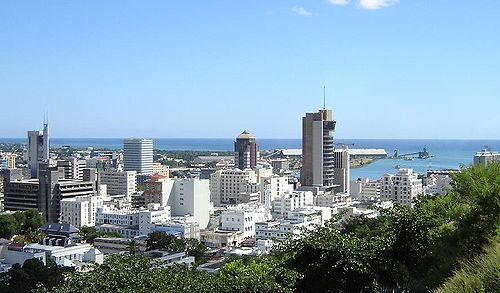
Port Louis, the capital city of Mauritius, is located on the island's northwest coast and serves as the island’s primary port and cultural hub. Founded in 1735 by French Governor Mahé de Labourdonnais, the city has grown from a small settlement into a vibrant urban area. With a population of approximately 150,000, Port Louis is the most populous city in Mauritius and plays a crucial role in the country’s economy, contributing significantly to industries such as trade, banking, and tourism. The city’s strategic location along major shipping routes has historically made it a vital stop for maritime trade in the Indian Ocean.
The city is characterized by a blend of modernity and tradition, evidenced in its architecture, markets, and diverse population. Key landmarks include the Caudan Waterfront, a shopping and entertainment complex that offers local crafts, restaurants, and a picturesque view of the harbor. The Central Market is another must-visit for tourists, where one can experience the bustling atmosphere filled with local produce, textiles, and street food. Port Louis is also home to the Aapravasi Ghat, a UNESCO World Heritage site that served as the registration station for indentured laborers who arrived to work in the sugar plantations in the 19th century, highlighting the city’s historical significance. Additionally, Fort Adelaide, or La Citadelle, provides panoramic views of the city and serves as a reminder of the colonial past. This rich tapestry of history and culture, combined with its economic significance, makes Port Louis a unique and dynamic city in the Indian Ocean region.
Facts about Port Louis
- Port Louis is the capital city of Mauritius and serves as its economic and administrative hub.
- The city was founded in 1735 by Governor Mahe de Labourdonnais and was named after King Louis XV of France.
- Port Louis features the historic Aapravasi Ghat, a UNESCO World Heritage site, which was the first site of indentured labor in the world.
- The city is home to Le Caudan Waterfront, a popular shopping and entertainment complex that reflects the blend of cultures in Mauritius.
- Port Louis has a vibrant market culture, exemplified by the Central Market, which is a hub for local produce and handicrafts.
- The Port Louis Racecourse, established in 1812, is the oldest racecourse in the southern hemisphere and is a key venue for horse racing in Mauritius.
- Port Louis hosts the National History Museum, which contains exhibits detailing the island's colonial past and natural history.
- The city boasts the Citadel Fort Adelaide, built in the 19th century, which offers panoramic views of the harbor and city.
- Port Louis is culturally diverse, with significant influences from Creole, Indian, Chinese, and French communities reflected in its food, festivals, and traditions.
- The city is strategically located along a natural harbor, making it an important port for trade and maritime activities in the Indian Ocean.