Port Melbourne, Australia
- 17,633 people
- 16 places to visit
- -37.8368, 144.928
Places to Visit (16)
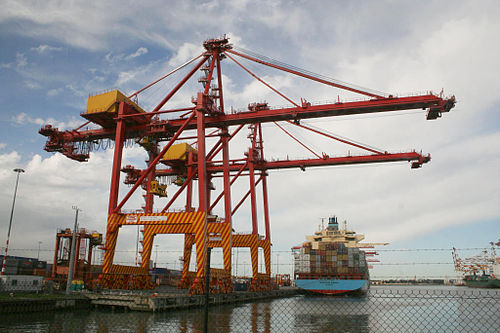
Port Melbourne is a vibrant suburb located just south of the central business district of Melbourne, Victoria, Australia. It lies along the northern shore of Port Phillip Bay and is approximately 5 kilometers from the city center. Historically significant as the port from which the city was founded, Port Melbourne has undergone significant transformation over the years. In the 19th century, it served as a gateway for immigrants arriving in Australia and played a crucial role in trade and shipping. The suburb’s rich maritime history is reflected in its landmarks, including the historic pier and warehouses that date back to the 1890s.
Today, Port Melbourne is known for its mix of residential, commercial, and recreational spaces, making it an attractive location for both families and professionals. The area boasts a vibrant waterfront with parks, beaches, and a range of dining options that have contributed to its popularity. The iconic Bay Street is lined with cafes, restaurants, and boutique shops, fostering a lively atmosphere that draws locals and visitors alike. Port Melbourne's close proximity to the city center and well-developed public transport network, including trams and buses, further enhance its appeal, providing easy access to Melbourne's cultural and economic offerings. With a population of approximately 17,000, the suburb also hosts a variety of community events and festivals that reflect its rich heritage and contemporary lifestyle.
In recent years, Port Melbourne has seen significant urban development, including new residential complexes and commercial projects, while maintaining its historical character. The suburb is home to several parks and recreational facilities, such as the popular Edwardes Park and the St. Kilda Marina, which provide opportunities for outdoor activities and relaxation. Sports also play an important role in the community, with local clubs competing in various leagues. As part of Melbourne's indomitable spirit, Port Melbourne continues to evolve while retaining its unique charm, making it a dynamic destination within Australia's cultural landscape.
Facts about Port Melbourne
- Port Melbourne was originally established as a vital shipping port for the city of Melbourne, playing a crucial role in the development of Victoria's economy during the 19th century.
- The famous Spirit of Tasmania ferry service operates from Port Melbourne, providing a direct link to Tasmania and significantly contributing to tourism and transport.
- Port Melbourne is home to one of Australia's oldest and most significant piers, the Port Melbourne Pier, built in the 1860s and still in use today.
- The suburb boasts a unique blend of historic Victorian architecture and modern developments, creating an eclectic urban landscape that stands out in Melbourne.
- Port Melbourne hosts the annual Port Melbourne Festival, celebrating local culture and community, featuring art, food, and music events that attract thousands of visitors.
- The area has several notable beaches, including South Melbourne Beach, which is renowned for its accessibility and family-friendly atmosphere.
- Port Melbourne is a key component of Melbourne's public transport system, with its light rail extensions providing easy access to the Melbourne CBD.
- The suburb is home to significant sporting venues, including the Port Melbourne Football Club, one of the oldest Australian rules football clubs, established in 1874.
- Port Melbourne played an integral role in the maritime history of Australia, serving as a landing point for many immigrants during the gold rush in the 1850s.
- The area features the historic Station Pier, which continues to serve as a passenger terminal and was once a major entry point for immigrants, reflecting its diverse cultural heritage.