Port of Spain, Trinidad and Tobago
- 49,031 people
- 18 places to visit
- 10.6603, -61.5086
Places to Visit (18)
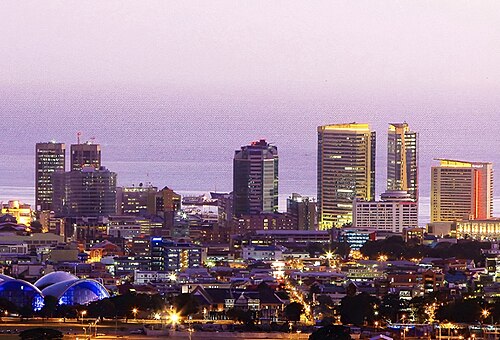
Port of Spain, the capital city of Trinidad and Tobago, is situated on the northwest coast of Trinidad, bordered by the northern range of mountains and the Gulf of Paria. Founded in 1560 by Spanish settlers, the city has a rich history influenced by indigenous peoples, colonial powers, and immigration. Today, it serves as the political and economic center of the nation, housing the Parliament and numerous governmental institutions. Port of Spain is known for its vibrant culture, characterized by annual festivals such as Carnival, which attracts thousands of visitors every year. This event, celebrated with elaborate costumes, parades, and lively music, reflects the diverse heritage of Trinidad and Tobago, blending African, Indian, Spanish, and British influences.
The city is also an urban hub that features a mix of colonial architecture and modern developments. Notable landmarks include the iconic President's House, the historic Red House, and the magnificent St. Joseph's Cathedral. Port of Spain boasts a bustling commercial district, where businesses thrive alongside local markets, showcasing traditional crafts and local cuisine. The city’s waterfront offers scenic views and recreational areas, including the waterfront park, which is popular for outdoor activities. The government has made significant investments in urban development and infrastructure, enhancing the quality of life for its residents. Despite challenges such as urban congestion and socio-economic disparities, Port of Spain remains a lively and culturally rich city, contributing to the national identity and economy of Trinidad and Tobago.
Facts about Port of Spain
- Port of Spain is the capital city of Trinidad and Tobago, making it the political and administrative center of the nation.
- The city is known for its vibrant Carnival celebrations, which showcase the rich cultural heritage and include colorful parades and lively music.
- Port of Spain is home to the National Academy for the Performing Arts, a key venue for cultural events and performances, emphasizing the city's role in promoting the arts.
- The city's historical significance is highlighted by landmarks such as the Queen's Park Savannah, one of the largest public parks in the Caribbean, which is surrounded by impressive colonial architecture.
- The Royal Botanic Gardens, located in Port of Spain, features a wide range of native and exotic plant species and serves as a popular recreational area for locals and tourists alike.
- The Magnificent Seven is a term used to refer to a group of seven historic mansions located along the Queen’s Park Savannah, showcasing a variety of architectural styles from the 19th century.
- Port of Spain serves as the primary economic hub of Trinidad and Tobago, hosting numerous financial institutions, businesses, and the Port of Spain International Waterfront Center.
- The city is also the site of the University of the West Indies, St. Augustine Campus, which attracts students from across the Caribbean and beyond, contributing to its vibrant academic community.
- Each year, Port of Spain hosts the Trinidad and Tobago Film Festival, which promotes local and regional filmmakers and celebrates the film industry in the Caribbean.
- The city has a multicultural population, with influences from African, Indian, European, and indigenous cultures, reflected in its diverse cuisine, festivals, and traditions.