Port Sudan, Sudan
- 489,725 people
- 1 places to visit
- 19.5904, 37.1902
Places to Visit (1)
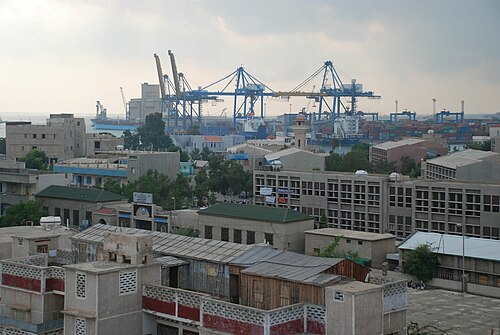
Port Sudan is a major city located on the Red Sea coast of Sudan, serving as the country’s primary seaport and a vital economic hub. Established in the late 19th century, Port Sudan was developed to replace the older port of Suakin, which had declined due to siltation and changing trade routes. The city is strategically positioned and functions as the gateway for the import and export of goods, supporting Sudan's economy by facilitating trade with countries in the Middle East, Africa, and beyond. With a population of over 400,000 inhabitants, it ranks among the largest cities in Sudan and features a mix of ethnic groups, including Arabs, Nubians, and various African communities, contributing to a rich cultural tapestry.
The city's economic activities are predominantly centered around its port facilities, which include extensive docks, warehouses, and infrastructure for handling bulk and containerized cargo. Key exports from Port Sudan include agricultural products like sesame, sorghum, and livestock, while imports mainly consist of petroleum products, machinery, and consumer goods. The surrounding region is characterized by arid desert, and the city's climate is typically hot and dry, with sparse rainfall. Port Sudan also serves as a maritime tourism destination, attracting visitors with its distinct Red Sea coral reefs, diverse marine life, and opportunities for water sports such as diving and snorkeling. Despite facing challenges such as political instability and infrastructural limitations, Port Sudan remains an essential city in Sudan’s socio-economic landscape, underpinning the nation's trade and development prospects.
Facts about Port Sudan
- Port Sudan is the main seaport of Sudan, serving as the country's primary outlet to the Red Sea and a crucial hub for trade and transportation.
- The city was founded in the late 19th century and was developed by the British as a port to facilitate cotton exports from Sudan.
- Port Sudan is notable for its unique coral reefs and marine biodiversity, making it a popular destination for diving and snorkeling enthusiasts.
- The city features the famous Old Port and the new port, which is one of the largest ports in Africa, handling significant volumes of cargo.
- Port Sudan is home to the historical attraction of Suakin, an ancient port city with stunning Ottoman architecture, just a short drive away.
- The city hosts a thriving fishing industry, with access to the Red Sea's abundant marine resources, contributing to the local economy.
- Port Sudan has a mixed population, comprising various ethnic groups and communities, reflecting Sudan's diverse cultural tapestry.
- There is an active shipbuilding industry in Port Sudan, which plays a vital role in maritime trade and local economy.
- The city serves as a critical point for Sudan's oil exports, linking the landlocked oil fields to international markets via the Red Sea.
- Port Sudan is also an important gateway for humanitarian aid, particularly during crises in the region, showcasing its strategic geopolitical significance.