Porta Westfalica, Germany
- 36,364 people
- 13 places to visit
- 52.2467, 8.9124
Places to Visit (13)
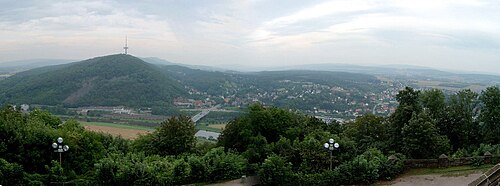
Porta Westfalica is a town in the district of Minden-Lübbecke, located in North Rhine-Westphalia, Germany. The town is situated at the confluence of the Weser and Porta rivers, bordered by the scenic hills of the Wiehengebirge and the Weser mountains. The name "Porta Westfalica" translates to "the gateway to Westphalia," signifying its historical importance as a transit point between the regions of North Germany and Westphalia. Established officially in 1970 through the merger of several smaller municipalities, Porta Westfalica has become a diverse community with a population of approximately 26,000 residents. The town is well-known for its picturesque landscapes, making it a popular destination for outdoor activities, including hiking and biking along the numerous trails in the surrounding hills.
One of Porta Westfalica's most prominent landmarks is the Kaiser Wilhelm Monument, constructed in 1896 in honor of Emperor Wilhelm I. The monument, which stands on the heights of the Wittekindsberg, offers panoramic views of the surrounding area and has become an iconic symbol of the town. Another point of interest is the local history museum, which showcases the cultural heritage and historical significance of the region. The area is also rich in natural beauty, with many parks and nature reserves that attract visitors year-round. Porta Westfalica's location provides excellent transport links to nearby cities, such as Minden and Bielefeld, enhancing its role as both a residential area and a point of commerce. As part of the broader Westphalia region, Porta Westfalica reflects the rich history and culture that defines this part of Germany, contributing to its unique identity and charm.
Facts about Porta Westfalica
- Porta Westfalica is home to the famous Kaiser-Wilhelm Monument, which was inaugurated in 1896 to commemorate the German Emperor Wilhelm I.
- The city is located at the confluence of the rivers Weser and Porta, with a scenic landscape that features the famous Porta Westfalica pass, a significant transport route since ancient times.
- Porta Westfalica was established in 1973 through the merger of several smaller towns, making it a relatively young city compared to many others in Germany.
- The area surrounding Porta Westfalica has a rich historical background, with evidence of settlements dating back to the Bronze Age and Roman times.
- The city serves as a gateway to the Teutoburg Forest, a popular destination for hiking and outdoor activities, attracting nature enthusiasts and tourists.
- Porta Westfalica was significantly influenced by the Industrial Revolution, with historical industries including glass production and machinery manufacturing.
- The city hosts the annual Porta Westfalica Festival, celebrating local culture with music, art, and traditional German festivities, distinguishing it from other local events.
- Notably, Porta Westfalica features unique geological formations such as the 'Sternberger Wald', which is famous for its biodiversity and stunning views.
- The city is also recognized for its extensive bicycle pathways, promoting eco-friendly transportation and recreational biking, distinguishing it among other cities in Germany.
- Porta Westfalica is strategically located close to the urban centers of Bielefeld and Minden, offering both a small-town feel and accessibility to larger city amenities.