Portici, Italy
- 53,801 people
- 17 places to visit
- 40.8142, 14.3388
Places to Visit (17)
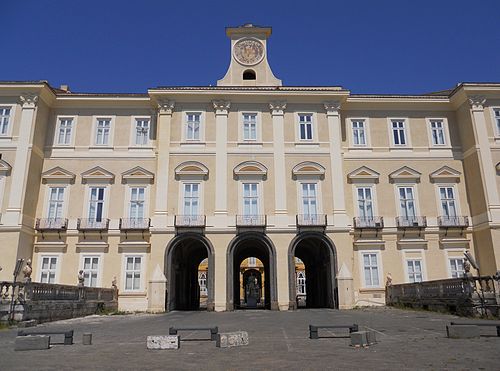
Portici is a charming town located in the Campania region of southern Italy, specifically within the metropolitan area of Naples. Situated at the base of Mount Vesuvius, Portici offers stunning views of the famous volcano and the surrounding Bay of Naples. The town has a population of approximately 55,000 residents and is known for its rich historical and cultural heritage, as well as its strategic location that provides easy access to both the bustling city of Naples and the picturesque coastal areas of the region. Portici's history dates back to ancient times, with evidence of settlement during the Roman era. It was originally an agricultural area, but it began to flourish in the 18th century when it became a favorite resort for the Neapolitan nobility.
One of the most significant landmarks in Portici is the Royal Palace of Portici, built in the 18th century as a summer residence for the Bourbon kings of Naples. The palace is an important example of Baroque architecture and is surrounded by beautiful gardens. The town is also home to the Museo Archeologico di Portici, which houses a collection of artifacts from the nearby archaeological sites of Herculaneum and Pompeii. Portici is renowned for its vibrant local culture, including traditional cuisine featuring fresh seafood, pasta dishes, and locally produced wines. The town hosts various festivals and events throughout the year, celebrating its heritage and community spirit.
Portici enjoys a Mediterranean climate, characterized by hot, dry summers and mild, wet winters. This climate contributes to the lush vegetation and fertile agricultural land in the area, making it ideal for the cultivation of fruits and vegetables. The town's proximity to Naples and other key destinations, such as Sorrento and the Amalfi Coast, makes it a convenient location for visitors seeking a more relaxed atmosphere while still being close to the attractions of the larger cities. Overall, Portici is a hidden gem that combines historical significance with picturesque landscapes, making it an appealing destination for both tourists and locals alike.
Facts about Portici
- Portici is renowned for its historical Royal Palace of Portici, a former summer residence of the Bourbon kings of Naples, which showcases a blend of Baroque and Neoclassical architecture.
- The city is home to the first archaeological museum dedicated to the artifacts from the nearby Pompeii and Herculaneum sites, reflecting its rich connection to ancient Roman history.
- Portici hosts the annual 'Feste di Piedigrotta,' a traditional festival that celebrates popular music and culture, drawing inspiration from Neapolitan folklore.
- The city is uniquely situated at the foot of Mount Vesuvius, providing stunning views and a strategic location for exploring the history of volcanic eruptions in the region.
- Portici has a significant presence in the field of education, being the location of the 'Istituto Superiore di Scienze Applicate e Tecnologie,' focusing on applied sciences and technology.
- The local economy is characterized by its agricultural heritage, particularly known for cultivating high-quality tomatoes, which are integral to the Neapolitan cuisine.
- Portici offers a picturesque historic center with charming streets, vibrant markets, and local workshops, giving a glimpse into authentic Italian daily life.
- The city is part of the Naples metropolitan area but maintains a distinct identity through its smaller, closely-knit community and local traditions.
- Portici features beautiful seaside promenades along the Bay of Naples, providing residents and visitors alike with recreational spaces and scenic views of the coast.
- The region around Portici played a key role in the development of the local railway system in the 19th century, contributing to the modernization of transport in southern Italy.