Porto Alegre, Brazil
- 1,488,252 people
- 18 places to visit
- -30.0368, -51.209
Places to Visit (18)
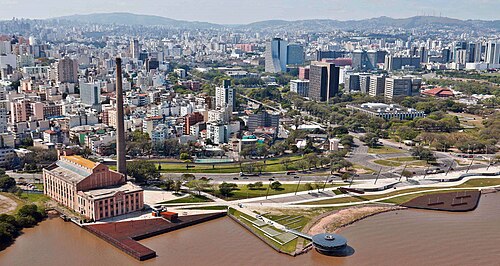
Porto Alegre, the capital of the state of Rio Grande do Sul in southern Brazil, is known for its rich cultural heritage and vibrant urban life. Founded in 1772, the city lies at the southern end of the Guaíba River, which flows into the Lagoa dos Patos, one of the largest lagoons in Brazil. With a population of over 1.4 million inhabitants, Porto Alegre is a key economic and cultural hub in the country, characterized by its diverse demographics, influenced by various immigrant groups, including Italians, Germans, and Japanese. The city is recognized for its unique blend of urban and natural landscapes, featuring parks, riverside areas, and panoramic views of the surrounding hills.
Economically, Porto Alegre serves as a center for commerce, services, and industry, contributing significantly to Brazil’s economy. It is home to various multinational corporations and industries, particularly in technology, agriculture, and manufacturing. The city is also known for its commitment to social programs and innovative solutions to urban challenges. Culturally, Porto Alegre boasts a rich artistic scene, with numerous theaters, galleries, and music venues, as well as the annual Porto Alegre International Book Fair and the famous Festival de Inverno, which celebrates the city’s winter with a range of cultural activities. Furthermore, the city is noted for its culinary scene, showcasing traditional gaucho dishes, as well as a variety of international cuisines reflecting its multicultural population. With its vibrant spirit, rich history, and commitment to sustainability, Porto Alegre continues to evolve as a significant player in Brazil's socio-economic landscape.
Facts about Porto Alegre
- Porto Alegre is known for being the first city in Brazil to adopt the practice of participatory budgeting in 1989, empowering citizens to decide on budget allocations.
- The city is famous for its cultural diversity and hosts the annual 'Festa de Iemanjá' celebration, honoring Afro-Brazilian religions with one of the largest festivals in the region.
- Porto Alegre is home to the 'Mercado Público', a historical market established in 1869 that showcases a wide variety of regional foods and crafts, reflecting the city's rich culinary heritage.
- The city serves as a major hub for Southern Brazilian culture and is well-known for its traditional dances, particularly the 'Chama Crioula', a folkloric dance of the gaucho culture.
- Porto Alegre has a unique blend of urban parks and green spaces, including the Redenção park, which features a large public area for relaxation and outdoor events.
- The Beira-Rio Stadium, located in Porto Alegre, hosted matches during the FIFA World Cup 2014, including the much-anticipated opening match of the tournament.
- The city is situated on the banks of the Guaíba River, offering picturesque waterfront views and serving as a critical point for local fishing and leisure activities.
- Porto Alegre boasts a vibrant cultural scene with numerous theaters and music venues, and it is particularly known for its role in the Brazilian rock music movement.
- The city hosts the 'Pôr do Sol' (Sunset) event at the Usina do Gasômetro, where locals and visitors gather to enjoy stunning sunsets over the Guaíba River.
- Porto Alegre is one of the few Brazilian cities with a significant immigration history from various countries, including Germany, Italy, and Japan, enriching its cultural fabric.