Porto-Novo, Benin
- 264,320 people
- 4 places to visit
- 6.4786, 2.6203
Places to Visit (4)
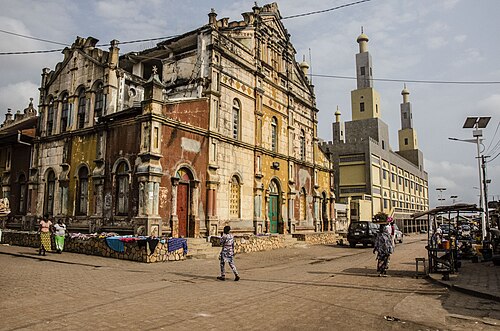
Porto-Novo, the capital city of Benin, serves as an important cultural and administrative hub in West Africa. Founded in the late 16th century, it originally emerged as a center for the slave trade when it was inhabited by the Adja people. Over the years, various European powers, including the Portuguese and the French, influenced its development, with the latter establishing it as the colonial capital in the 19th century. Despite the transfer of the capital to Cotonou after independence in 1960, Porto-Novo remains significant due to its historical architecture and role as the official seat of the national legislature.
The city boasts a rich cultural heritage, reflected in its vibrant festivals, traditional music, and local art forms. Notable landmarks include the Royal Palace of Porto-Novo, which showcases the traditional architecture and is a symbol of the Efik Kingdom, as well as the Museum of Brazilian Port-Novo, celebrating the city's connection to the Afro-Brazilian community. The local economy is primarily based on agriculture, trade, and small-scale industries, with yam, cassava, and palm oil as key products. Porto-Novo is also known for its beautiful landscapes and waterways, with the banks of Lake Nokoué providing scenic views and opportunities for fishing and tourism. As a blend of modernity and tradition, Porto-Novo continues to attract visitors who seek to explore its unique history and cultural diversity.
Facts about Porto-Novo
- Porto-Novo is the official capital of Benin, serving as the governmental center of the country, unlike Cotonou, which is the largest city and the commercial hub.
- The city is known for its rich history as a former Portuguese trading post in the 16th century, highlighting its significance in the transatlantic slave trade.
- Porto-Novo is distinguished by its unique architecture, which reflects a blend of indigenous styles and colonial influences, particularly evident in buildings like the Palais des Gouverneurs.
- The city is home to the Ethnographic Museum of Porto-Novo, showcasing Benin's diverse cultures and histories through artifacts and exhibitions.
- Porto-Novo is recognized for its vibrant festivals, especially the annual Benin International Festival of the Nago, celebrating the culture of the Yoruba people.
- The city features the famous Arcon Village, known for its artistic village showcasing local crafts, including wood carvings and textiles.
- Porto-Novo is one of the few cities in Benin that has maintained a significant amount of traditional Fon culture, including language, music, and dance.
- One of the notable landmarks in Porto-Novo is the Mosque of Porto-Novo, which reflects the Islamic influence on the cultural landscape of the area.
- The city serves as a major educational hub, with several institutions, including the University of Abomey-Calavi located nearby, attracting students from across the country.
- Porto-Novo is situated on the banks of the Ouémé River, providing it with historical importance as a trading port and contributing to its unique waterfront scenery.