Porto Seguro, Brazil
- 123,173 people
- 11 places to visit
- -16.4444, -39.0654
Places to Visit (11)
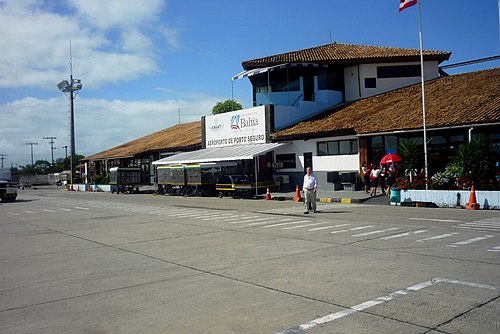
Porto Seguro, located in the state of Bahia, Brazil, is a coastal city renowned for its rich history, vibrant culture, and breathtaking natural landscapes. Situated along the Atlantic Ocean, it serves as one of the earliest points of European contact in Brazil, with its discovery by the Portuguese explorer Pedro Álvares Cabral in 1500 marking a pivotal moment in the country's colonial history. Today, the city is a historical treasure, featuring well-preserved colonial architecture, including the São João Batista Church, and various monuments that reflect its significant role in Brazilian heritage. Porto Seguro is also notable for the Cidade Histórica, a UNESCO World Heritage site that showcases a blend of indigenous and European influences, making it a popular destination for both tourists and historians.
Beyond its historical significance, Porto Seguro is famed for its stunning beaches, such as Taperapuã and Muta, which attract visitors seeking sun, sand, and water sports. The region's tropical climate enhances its appeal, with warm temperatures year-round. Additionally, the local economy is fueled by tourism, agriculture, and fishing. The city is known for its lively festivals, including Carnival and the Festa de São Benedito, which celebrate local culture through music, dance, and culinary delights. Porto Seguro’s vibrant nightlife, characterized by lively bars and musical performances, complements its daytime attractions, making it a dynamic destination. The combination of its historical depth, cultural richness, and natural beauty has positioned Porto Seguro as a key player in Brazil’s tourism landscape, drawing millions of visitors each year who come to explore its unique offerings.
Facts about Porto Seguro
- Porto Seguro is known as the site where the Portuguese first landed in Brazil in 1500, marking the beginning of European colonization in the country.
- The city is home to the Discovery of Brazil Historical Site, which includes the well-preserved historical district featuring colonial architecture and monuments.
- Porto Seguro features the famous 'Passarela do Álcool,' a vibrant street known for its local handicrafts, bars, and nightlife, making it a popular destination for tourists.
- The region is also recognized for its unique ecological environment, with the nearby Porto Seguro Marine Reserve, which protects diverse marine species and habitats.
- Porto Seguro hosts the legendary Carnival celebration, which is one of the largest and most colorful in Brazil, attracting tourists with its lively parades and music.
- The local cuisine emphasizes fresh seafood, exotic fruits, and regional specialties, like 'Moqueca,' a traditional fish stew that reflects the area's cultural heritage.
- The area surrounding Porto Seguro is home to indigenous tribes, including the Pataxó, whose culture and traditions are preserved and showcased through local tourism.
- Porto Seguro has beautiful beaches, including Taperapuã and Mundaí, which are renowned for their scenic views and are ideal for water sports and relaxation.
- The city has a rich Afro-Brazilian heritage due to the historical influence of enslaved Africans, visible in its music, dance, and religious practices.
- Porto Seguro is also part of the Discovery Coast, which is a UNESCO World Heritage Site, recognized for its natural beauty and historical importance in the discovery of Brazil.