Potenza, Italy
- 56,433 people
- 14 places to visit
- 40.6378, 15.8055
Places to Visit (14)
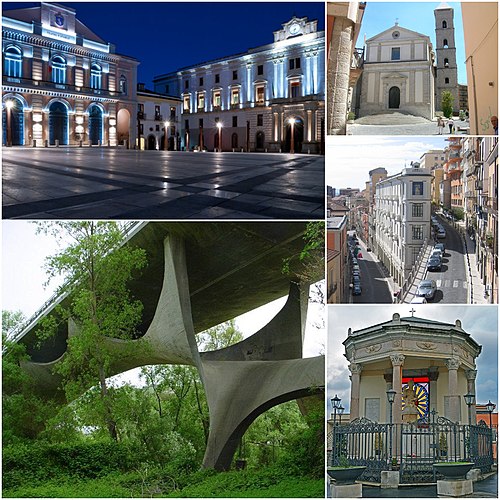
Potenza is the capital city of the Basilicata region in southern Italy, situated on the Appennine mountains at an elevation of approximately 819 meters (2,688 feet). It is known for its picturesque landscapes, characterized by rolling hills and scenic valleys, making it a charming destination for visitors seeking natural beauty. The city has a population of around 67,000, making it one of the smaller regional capitals in Italy. The area has a rich history dating back to ancient times, with evidence of settlements since the Roman era. Potenza’s historical significance includes its role during the Middle Ages and its importance as a strategic location due to its mountainous terrain.
The architecture of Potenza reflects its storied past, featuring a mix of medieval and more contemporary buildings. Key landmarks include the Cathedral of San Gerardo, dedicated to the city’s patron saint, and the Church of Santa Maria del Sepolcro, showcasing beautiful Baroque elements. Potenza is also home to a number of museums, such as the National Archaeological Museum of Basilicata, which displays artifacts from the region’s rich archaeological heritage. The city has a vibrant cultural scene, with numerous festivals, art exhibitions, and musical events, drawing both local residents and tourists. The annual Potenza Jazz Festival is a highlight, emphasizing the city's investment in the arts and community engagement.
In addition to its cultural attributes, Potenza serves as a hub for the surrounding region, with a network of roads and public transportation that connects it to other cities in Basilicata and beyond. The city is well-positioned for exploring the broader area, including the nearby Lucanian Dolomites and the Mediterranean coast. Local cuisine reflects the flavors of southern Italy, featuring hearty dishes made with regional ingredients such as lentils, pasta, and fresh vegetables. Overall, Potenza offers a unique blend of historical richness, cultural vibrancy, and stunning natural surroundings, making it a noteworthy destination within Italy.
Facts about Potenza
- Potenza is the capital of the Basilicata region, making it one of the highest regional capitals in Italy, located at an altitude of approximately 819 meters (2,688 feet).
- The city is known for its historic centers and medieval architecture, particularly the Cathedral of San Gerardo, which features a unique blend of Romanesque and Gothic styles.
- Potenza has a distinctive layout characterized by steep streets and stairways, earning it the nickname 'City of Steps' due to its hilly terrain.
- The city is home to several annual festivals, including the Feast of San Gerardo, celebrated in May, which attracts many visitors and showcases local traditions and religious devotion.
- Potenza is also recognized for its extensive natural surroundings, including the nearby Parco Nazionale dell'Appennino Lucano, a national park known for its stunning landscapes and biodiversity.
- Potenza played a significant role during the unification of Italy in the 19th century and has historical significance as a center of resistance and political activity during that time.
- The city is notable for its innovative approach to urban development, having implemented sustainable projects such as a bike-sharing system and electric public transportation.
- Potenza is less commercialized than many other Italian cities, offering a more authentic experience of Southern Italian culture and cuisine, particularly in its traditional trattorias and local markets.
- An important cultural landmark in Potenza is the National Archaeological Museum, which showcases artifacts from prehistoric to Roman times, highlighting the region's rich history.
- The city has a vibrant academic environment, being home to the University of Basilicata, which focuses on various disciplines including engineering, agriculture, and environmental sciences.