Póvoa de Santa Iria, Portugal
- 28,901 people
- 7 places to visit
- 38.8613, -9.0649
Places to Visit (7)
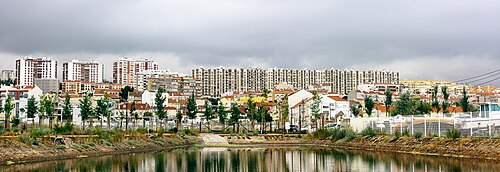
Póvoa de Santa Iria is a picturesque town located in the municipality of Vila Franca de Xira, in the Lisbon District of Portugal. Situated on the banks of the Tagus River, it is approximately 20 kilometers northeast of Lisbon, making it a popular residential area for those working in the capital. The town's population, which hovers around 10,000 residents, has experienced steady growth in recent decades, partly due to the urban expansion of the Lisbon metropolitan area. Póvoa de Santa Iria enjoys a suburban atmosphere, characterized by quiet streets and local amenities that cater to its community.
Historically, Póvoa de Santa Iria has roots that date back to the Roman Empire, with evidence of ancient settlements in the vicinity. The town is known for its agricultural background and has been an important center for agriculture in the region. One of the significant landmarks in Póvoa de Santa Iria is the Church of Santa Iria, which dates to the 17th century and reflects the traditional architectural style of the area. The town also features a charming riverside promenade, where residents and visitors can enjoy views of the Tagus River and participate in recreational activities. Furthermore, good transportation links, including access to the Lisbon metro and regional trains, make it convenient for residents to commute to the capital while providing a more tranquil living environment.
In addition to its historical and cultural significance, Póvoa de Santa Iria is well-regarded for its community spirit and local events, which foster a sense of belonging among its inhabitants. Over the years, the town has developed various facilities, such as schools, parks, and retail outlets, that enhance the quality of life for residents. The gastronomy of the region is influenced by traditional Portuguese cuisine, with numerous restaurants offering local dishes. As Póvoa de Santa Iria continues to evolve, it maintains a delicate balance between preserving its historical charm and accommodating modern living, making it an attractive destination for families and individuals alike.
Facts about Póvoa de Santa Iria
- Póvoa de Santa Iria is known for its scenic views along the Tagus River, offering unique waterfront experiences that many other towns do not.
- The city has a rich history dating back to the Roman period, with archaeological findings that reflect its ancient origins.
- Póvoa de Santa Iria is home to the notable Capela de Nossa Senhora da Piedade, a chapel that showcases unique architectural styles distinct from other religious structures in the region.
- One of the most famous events in Póvoa de Santa Iria is the Festa das Cruzes, celebrated every year with vibrant processions and traditional music, distinguishing it from other local festivals.
- The area is known for its traditional Portuguese pottery, particularly the distinctive designs that are exclusive to Póvoa de Santa Iria.
- Póvoa de Santa Iria has a strong fishing heritage, different from many other cities in Portugal, and hosts an annual fish festival celebrating this aspect of local culture.
- The city has a noteworthy educational institution, Escola Secundária de Póvoa de Santa Iria, which emphasizes innovation and the arts, making it unique in its commitment to education.
- Póvoa de Santa Iria was once part of the municipality of Vila Franca de Xira and developed its own identity in the 20th century, reflecting a unique evolution in its local governance.
- The local cuisine in Póvoa de Santa Iria features distinctive dishes influenced by both river and land, setting it apart from typical coastal Portuguese gastronomy.
- Its close proximity to Lisbon allows Póvoa de Santa Iria to serve as a peaceful suburban escape while maintaining unique urban characteristics that differentiate it from the capital.