Prince Albert, Canada
- 35,102 people
- 16 places to visit
- 53.2033, -105.7531
Places to Visit (16)
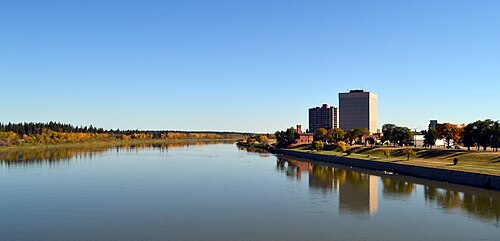
Prince Albert is a city located in central Saskatchewan, Canada, situated at the confluence of the North Saskatchewan and South Saskatchewan Rivers. Established in 1866, it was named after Prince Albert, the consort of Queen Victoria. The city is often referred to as the "Gateway to the North" due to its proximity to northern Saskatchewan and serves as a regional hub for commerce, healthcare, and education. As of the 2021 Canadian Census, Prince Albert had a population of approximately 35,000 residents, making it one of the larger cities in the province. The local economy is diverse, with primary industries including forestry, agriculture, and manufacturing. The presence of the Canadian Forest Service highlights the importance of forestry, while several agricultural enterprises contribute significantly to the region's economic landscape.
Prince Albert boasts a rich cultural heritage, with a mix of Indigenous and settler communities. The city is home to various annual events and festivals that celebrate its cultural diversity, including the Prince Albert Exhibition and the Art Hauser Centre, which hosts arts and entertainment activities. Additionally, the city features numerous parks, recreational facilities, and the Prince Albert National Park, which offers opportunities for outdoor activities such as hiking, camping, and wildlife observation. Prince Albert’s education sector includes several elementary and secondary schools, as well as a campus of the Saskatchewan Polytechnic, providing residents with access to vocational training and post-secondary education. Overall, Prince Albert represents a community that values its history and cultural identity while fostering a vibrant and diverse environment for its residents.
Facts about Prince Albert
- Prince Albert is known as the 'Gateway to the North' due to its strategic location at the confluence of the North Saskatchewan River and the South Saskatchewan River, making it a key access point for northern exploration.
- The city was originally established as a fort in 1866, named after Prince Albert, the husband of Queen Victoria, and has a deep historical significance connected to Canada's fur trade and Indigenous history.
- Prince Albert is home to the historical site of Fort Prince Albert, which played a crucial role during the expansion of European settlers into the Canadian Prairies.
- The city hosts the annual Prince Albert Exhibition, one of the largest fairs in Saskatchewan, celebrated for its agricultural displays, entertainment, and community involvement.
- Prince Albert is known for its vibrant arts community, including the Art Hauser Centre, which features local artists and hosts a variety of cultural events throughout the year.
- The Prince Albert National Park, located nearby, is the first national park in Saskatchewan and is renowned for its beautiful landscapes, diverse wildlife, and year-round recreational activities.
- The city's population is diverse, with a significant Indigenous community, and it hosts various events and initiatives promoting reconciliation and cultural awareness.
- Prince Albert is recognized for its historic downtown area, featuring well-preserved architecture and local businesses that pay homage to its rich heritage.
- The city is also known for having one of the largest collections of murals in the province, depicting the history and culture of the region, which attracts visitors and art enthusiasts.
- Prince Albert has a strong sporting culture, particularly in hockey, being the hometown of several NHL players and hosting the Prince Albert Raiders, a major junior ice hockey team.