Pristina, Kosovo
- 550,000 people
- 16 places to visit
- 42.6629, 21.1655
Places to Visit (16)
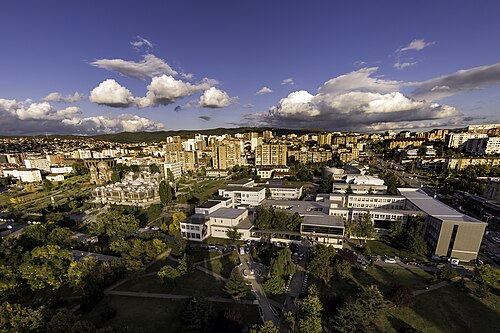
Pristina, the capital and largest city of Kosovo, serves as the political, economic, and cultural center of the country. Situated in the central part of Kosovo, it sits at an elevation of approximately 800 meters above sea level and has a population of around 200,000 residents. The city boasts a diverse demographic composition, predominantly consisting of ethnic Albanians, but also including significant groups of Serbs, Bosniaks, and other minorities. Pristina has witnessed rapid growth and urbanization since the late 20th century, particularly following the Kosovo War in the late 1990s, which led to Kosovo declaring independence from Serbia in 2008. This status is recognized by over 100 countries, though Serbia and some other nations do not recognize Kosovo's sovereignty.
Pristina's historical significance dates back to Roman times, although much of its architecture reflects the Ottoman influence that marked the city from the late 14th century until the early 20th century. Notable landmarks include the Imperial Mosque, known as the Xhamia e Dykalëku, which dates back to the 15th century, and the National Library of Kosovo, recognized for its distinctive Brutalist architecture. The city is also home to several educational institutions, including the University of Pristina, which plays a vital role in the region's academic life. The vibrant culture of Pristina is evident in its music, art, and cuisine, with numerous cafes and cultural events contributing to a lively atmosphere.
Economically, Pristina has shown potential for growth, driven by a young population and a developing private sector. Key industries include trade, services, telecommunications, and construction. The city has seen investment in infrastructure, with efforts to improve transport links and public services. However, challenges such as high unemployment rates and the need for better governance persist. Despite these issues, Pristina continues to evolve, striving towards European integration and greater international engagement. As a focal point of modern Kosovo, the city embodies both the struggles and aspirations of its people, reflecting a complex yet hopeful narrative of a nation working towards stability and progress.
Facts about Pristina
- Pristina is the capital and largest city of Kosovo, serving as the political, cultural, and economic centre of the country.
- The city is home to the 'Newborn' monument, symbolizing Kosovo's declaration of independence in 2008, which has become a prominent landmark.
- Pristina features one of the world's largest and oldest archeological sites, the site of the ancient city of Ulpiana, located just outside the city limits.
- The 'Imperial Mosque' (Xhamia e Mbretit) in Pristina is one of the oldest mosques in the region, built in the 15th century, showcasing notable Ottoman architecture.
- Pristina hosts the Kosovo Museum, which houses artifacts that span several millennia, highlighting the region's diverse history from ancient to modern times.
- The city has a vibrant student population, with several universities, including the University of Pristina, contributing to its youthful atmosphere and culture.
- Pristina is known for its diverse culinary scene, with numerous cafes and restaurants offering traditional Kosovar dishes as well as international cuisine.
- The Kosovo National Library in Pristina is celebrated for its unique and controversial architectural design, resembling a complex network of cubes and domes.
- Pristina's Bazaar, or 'Tregu i Gjelbër', offers a lively atmosphere where locals shop for fresh produce, artisan goods, and traditional crafts, distinct from other areas in Kosovo.
- The city hosts the annual 'DokuFest', one of the largest documentary and short film festivals in the Balkans, attracting filmmakers and audiences from around the world.