Pruszków, Poland
- 55,371 people
- 13 places to visit
- 52.1705, 20.8119
Places to Visit (13)
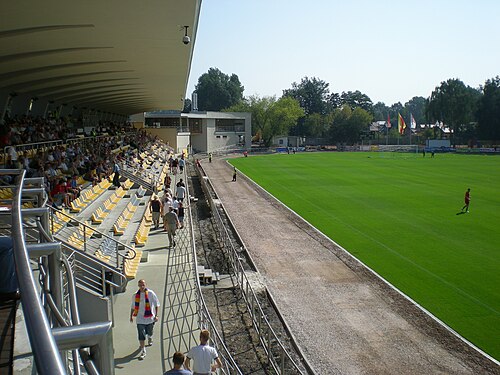
Pruszków is a city located in central Poland, situated approximately 12 kilometers west of Warsaw, the capital. As part of the Masovian Voivodeship, Pruszków serves as a suburban area within the Warsaw metropolitan region. With a population of around 27,000, the city is characterized by a blend of urban and semi-rural environments, offering a diverse lifestyle for its residents. The city has a rich history, dating back to the 13th century. It initially gained prominence due to its strategic location on trade routes, leading to economic development and the establishment of various crafts and industries.
Modern Pruszków is well-connected to major urban centers, primarily through an extensive transportation network that includes roadways and rail lines. The local train service, provided by Koleje Mazowieckie, allows for quick access to Warsaw, facilitating daily commutes for many residents. The city is also known for its green spaces, such as parks and recreational areas, appealing to families and outdoor enthusiasts. The presence of local businesses, schools, and cultural institutions contributes to a vibrant community life. Additionally, Pruszków is recognized for its historical landmarks, including the 19th-century railway station and several churches that reflect its architectural heritage.
Over the years, Pruszków has experienced significant growth and development, making it an attractive area for both residents and investors. The local economy has diversified, with a mix of traditional industries and modern services. The city organizes various cultural events and activities, fostering a sense of community and pride among its inhabitants. In recent years, developmental initiatives have focused on improving infrastructure and enhancing the quality of life, ensuring that Pruszków remains a desirable location within the burgeoning Warsaw metropolitan area.
Facts about Pruszków
- Pruszków is known for its historical significance as a former center of the ceramic industry, particularly during the 19th century, producing high-quality pottery.
- The city is home to the renowned museum of the Pruszków's history, which showcases artifacts from its rich past, including its role during World War II.
- Pruszków hosts the annual 'Pruszków Cultural Autumn,' a festival promoting local artists, musicians, and craftsmen, celebrating the city's vibrant culture.
- The town is located just 15 kilometers from Warsaw, making it a popular suburban area for commuters looking for a quieter lifestyle while remaining close to the capital.
- Pruszków has maintained its historical architecture, with several 19th-century buildings still intact, providing a unique glimpse into the region's past.
- The local green spaces, including the picturesque Park Potulickich, offer residents and visitors recreational opportunities, which is distinctive compared to many urban areas in Poland.
- Pruszków was heavily affected during World War II, and it was the site of significant resistance activity against occupying forces, making its history deeply intertwined with the Polish fight for independence.
- The city is known for the 'Pruszków Railway Station,' one of the oldest in the region, which has been a significant transportation hub since the late 19th century.
- Pruszków features a well-preserved Jewish cemetery, memorializing its once-thriving Jewish community prior to WWII, which sets it apart from many other Polish towns.
- The local soccer club, Znicz Pruszków, has a rich history and has produced several players who have gone on to play in top Polish leagues, contributing to the town's sports culture.