Pszczyna, Poland
- 25,288 people
- 11 places to visit
- 49.9858, 18.9477
Places to Visit (11)
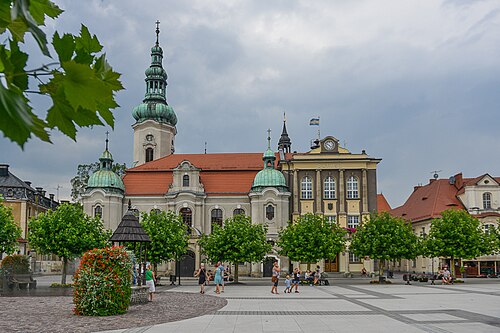
Pszczyna, a quaint town situated in southern Poland, is known for its rich history and picturesque landscapes. Located in the Silesian Voivodeship, Pszczyna is approximately 30 kilometers southwest of Katowice, the regional capital. With its origins dating back to the early medieval period, the town has played a significant role in the region's development through various historic eras. Pszczyna was granted town rights in 1257, and its political importance flourished during the Piast dynasty, especially under the rule of the Pszczyna Dukes. The town's heritage is visible in its architecture, such as the beautifully preserved Pszczyna Castle, which dates back to the 13th century. Initially a fortress, the castle underwent numerous renovations and expansions, transforming into a magnificent baroque residence that has become a symbol of the town.
The Pszczyna Castle, surrounded by extensive parkland, serves not only as a major tourist attraction but also as a cultural hub for various events and exhibitions. The castle complex includes an arboretum with numerous plant species, creating a tranquil setting for visitors. Pszczyna is also known for its traditional markets and vibrant community life, particularly the annual Pszczyna Christmas Market, which draws visitors from across the region. The town's charm lies in its mix of historical significance and modern amenities. Beyond its cultural offerings, Pszczyna boasts a diverse economic landscape, supported by industries such as manufacturing, services, and tourism. The natural beauty of the area, characterized by nearby forests and rivers, provides ample opportunities for outdoor activities, including hiking and cycling.
In recent years, Pszczyna has been making strides toward modernization while preserving its historical legacy. Development initiatives aim to enhance the quality of life for residents and attract new visitors. The town's commitment to sustainable development and community engagement reflects a progressive vision for its future. As Pszczyna continues to evolve, it remains a captivating destination that showcases the rich tapestry of Silesian culture and history. Whether through its enchanting castle, lively markets, or scenic landscapes, Pszczyna captures the essence of Polish heritage and the charm of small-town life, making it a noteworthy stop for anyone exploring the region.
Facts about Pszczyna
- Pszczyna is famous for the Pszczyna Castle, a remarkable example of 18th-century architecture, which served as the residence of the Hochberg family, one of the wealthiest families in Silesia.
- The town is known for its well-preserved historic market square, which features colorful townhouses and the Gothic St. John the Baptist Church, emphasizing its rich cultural heritage.
- Pszczyna is surrounded by the Pszczyna Forest, which is renowned for its natural beauty and diverse wildlife, making it a popular destination for nature enthusiasts and hikers.
- Every year, Pszczyna hosts the Pszczyna Autumn Festival, which celebrates local traditions, crafts, and gastronomy, attracting visitors from across the region.
- The town played a significant role in the Silesian Uprisings during the early 20th century, as it was a focal point for Polish aspirations for independence.
- Pszczyna is home to the Museum of Pszczyna, which showcases the history and culture of the region, including exhibitions on local traditions and the castle's history.
- The annual International Organ Concerts held in Pszczyna showcase the town's rich musical heritage and attract organ enthusiasts from around the world.
- Pszczyna has been recognized for its environmental initiatives, including efforts to conserve natural areas and improve local green spaces, setting it apart from other towns in the area.
- The town has a unique blend of Polish and German influences, highlighted by its bilingual street names and historical ties, especially significant in the context of Polish-German relations.
- Pszczyna is notable for its rich coal mining history, being part of the Upper Silesian Coal Basin, which has significantly influenced its economic development.