Pucallpa, Peru
- 326,040 people
- 13 places to visit
- -8.3929, -74.5826
Places to Visit (13)
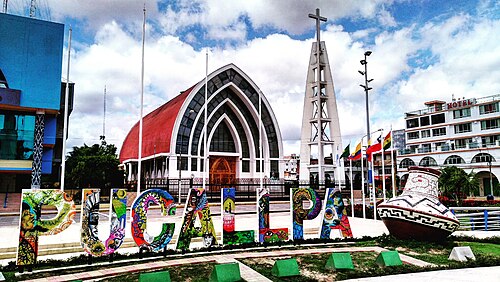
Pucallpa is a vibrant city located in the Ucayali Region of Peru, situated along the banks of the Ucayali River, a major tributary of the Amazon River. With a population of approximately 250,000 residents, it serves as a key economic and cultural hub within the Amazon rainforest, characterized by its tropical climate and rich biodiversity. The city's name, derived from the Quechua language, translates to "red earth," a reflection of the region's distinctive soil. Pucallpa is known for its lush landscapes, which provide ample opportunities for ecotourism, attracting visitors eager to explore the surrounding natural beauty and indigenous communities.
Economically, Pucallpa plays a crucial role in the rubber, timber, and fishing industries. The city serves as a significant trade route for both legal and illegal commodities, including timber from the Amazon rainforest, due to its access to waterways. Commerce and transport are vital to the local economy, facilitated by river transportation and, more recently, increased road connectivity linking Pucallpa to other major cities in Peru. Furthermore, Pucallpa has seen developmental growth in areas such as agriculture, with the cultivation of crops like rice, cassava, and palm oil becoming prominent. Cultural influences in the city reflect a blend of indigenous traditions and modern urban life, making it a melting pot of different customs, music, and festivals, such as the Feast of San Juan, celebrated annually with vibrant parades and traditional dances.
Pucallpa is also noteworthy for its accessibility to the Amazon basin, which offers tourists a gateway to explore extraordinary landscapes and wildlife. Eco-lodges and adventure tours provide immersive experiences in the jungle, allowing visitors to observe unique flora and fauna, including diverse bird species and exotic animals. Additionally, the city’s strategic position promotes interaction with various indigenous communities, fostering a greater understanding of their ways of life, traditions, and the challenges they face in a rapidly changing environment. As tourists continue to discover Pucallpa's appeal, the city balances its growth with considerations for environmental sustainability, ensuring the preservation of its natural resources and cultural heritage.
Facts about Pucallpa
- Pucallpa is known as the capital of the Ucayali Region and serves as a major economic center in the Amazon rainforest area of Peru.
- The city is located on the banks of the Ucayali River, making it a critical hub for river transportation and commerce in the region.
- Pucallpa is famous for its rich biodiversity and is often referred to as the 'Gateway to the Amazon,' attracting ecotourists and researchers alike.
- The city hosts the annual 'Festival of the Virgin of the Carmen,' a vibrant cultural event that combines religious devotion with traditional music and dance.
- Pucallpa was established during the rubber boom in the late 19th century, which significantly influenced its early economic development.
- One of the city's unique landmarks is the Sherwood Forest, an artificial forest established to promote ecotourism and preserve indigenous flora.
- Pucallpa has a significant Shippibo-Conibo indigenous population, which contributes to the rich cultural tapestry and artistic heritage of the area.
- The local economy is heavily based on timber extraction, agriculture, and more recently, oil and gas exploration, distinguishing it from other Peruvian cities.
- Pucallpa experiences a tropical rainforest climate, characterized by high humidity and rainfall, making its ecosystem distinct from other urban areas in Peru.
- The city is home to the largest port on the Ucayali River, facilitating trade and travel deeper into the Amazon basin.