Pueblo CO, United States
- 109,412 people
- 17 places to visit
- 38.2706, -104.6101
Places to Visit (17)
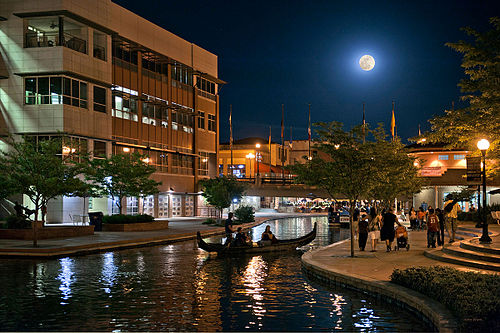
Pueblo, Colorado, is a vibrant city located in the south-central part of the state, serving as the county seat of Pueblo County. Established in 1842, the city originally grew around the confluence of the Arkansas River and Fountain Creek, becoming a critical trade center due to its strategic location along important transportation routes. Today, Pueblo is known for its rich history, which includes a strong industrial legacy, particularly in steel production and agriculture. The Pueblo steel mill, which opened in the late 19th century, played a significant role in the city's economic development, fostering a diverse and multicultural community.
The city boasts a number of attractions and recreational opportunities, making it a desirable location for residents and visitors alike. Pueblo is home to the Historic Arkansas Riverwalk, a scenic urban area that features walking paths, shops, and restaurants along the river. The annual Colorado State Fair, held in late summer, showcases the region's agricultural heritage and includes various events, competitions, and concerts. Additionally, Pueblo is distinguished by its strong arts scene, highlighted by the Pueblo Creative Corridor, which supports local artists and cultural initiatives. Outdoor enthusiasts can enjoy nearby Lake Pueblo State Park, offering hiking, biking, and water-based activities. Known for its warm climate, Pueblo experiences abundant sunshine and mild winters, further contributing to its appeal as a place to live and visit.
Pueblo's population, which hovers around 110,000, reflects a diverse demographic that enriches the city's cultural fabric. The city's economy has evolved, with key sectors including healthcare, education, and renewable energy, complemented by a growing emphasis on tourism. Pueblo is also recognized for its unique culinary contributions, notably the Pueblo green chili, which is celebrated in local cuisine. With its combination of historical significance, cultural richness, and recreational offerings, Pueblo remains an integral part of Colorado's identity, attracting those interested in a lively, community-oriented atmosphere.
Facts about Pueblo
- Pueblo is known as the 'Steel City' due to its historic significance in steel production, particularly with the Colorado Fuel and Iron Company, which was one of the largest steel manufacturers in the United States in the early 20th century.
- The city is home to the Pueblo Riverwalk, a unique urban waterfront area featuring walking paths, restaurants, and public art, making it a vibrant cultural hub that attracts visitors year-round.
- Pueblo hosts the Colorado State Fair annually, a tradition that dates back to 1869, showcasing agriculture, arts, and live entertainment, and drawing visitors from across the state and beyond.
- The Historic Arkansas Riverwalk of Pueblo (HARP) is a revitalized area that includes an 8-mile stretch along the Arkansas River, featuring a series of parks and public spaces that enhance the city's landscape.
- Pueblo's economy is heavily supported by its role as a major center for renewable energy, particularly in the solar power sector, with the development of many solar farms in the surrounding region.
- The city is known for its unique regional cuisine, particularly Pueblo green chiles, which are celebrated for their flavor and are a key ingredient in local dishes.
- Pueblo has a rich cultural heritage, with significant influences from Native American, Hispanic, and immigrant communities, reflected in its architecture, festivals, and local traditions.
- The Pueblo Zoo, established in 1904, is one of the oldest zoos in the U.S. and is home to over 400 animals, making it a family-friendly attraction in the city.
- Pueblo is the only city in the U.S. that has a University, a Community College, and a School of Art all located within its city limits, contributing to its educational diversity.
- The city was the site of a significant labor movement in the early 1900s, particularly in the steel industry, with the 1927 Pueblo strikes illustrating the struggles of workers in that era.