Puente de Ixtla, Mexico
- 21,098 people
- 6 places to visit
- 18.6147, -99.3201
Places to Visit (6)
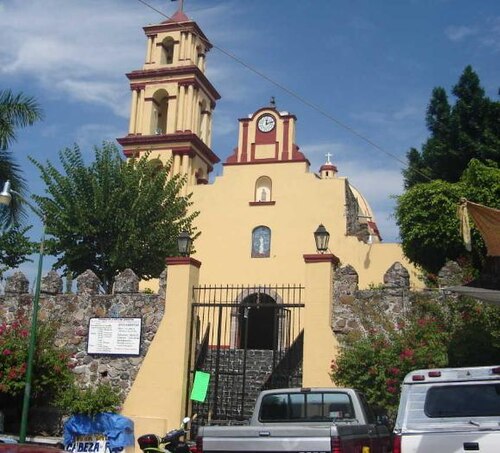
Puente de Ixtla is a vibrant municipality located in the state of Morelos, Mexico, recognized for its rich cultural heritage and agricultural significance. Situated approximately 120 kilometers south of Mexico City and near the historical city of Cuernavaca, Puente de Ixtla lies in a geographically diverse area characterized by fertile valleys, rolling hills, and a temperate climate. The region is predominantly rural, with a population primarily engaged in agriculture, benefiting from the well-watered lands fed by the nearby Río Ixtla. The area's agricultural products include sugarcane, corn, and various fruits, which not only support local consumption but also contribute to regional markets.
The town's name, which translates to "Bridge of Ixtla," reflects its historical significance as a crossing point for trade routes that date back to pre-Hispanic times. This small town is known for its colorful traditional architecture, with many buildings showcasing the colonial style that is characteristic of Central Mexico. Additionally, Puente de Ixtla celebrates a variety of festivals, such as the annual Feria de la Cebada and the Feast of San Bartolomé, which enhance community spirit and attract visitors to the area. The local cuisine, which features authentic Mexican dishes, reflects the agricultural bounty of the region, making it an appealing destination for food lovers.
Puente de Ixtla is also gaining recognition for its natural attractions and opportunities for outdoor activities. The surrounding hills are ideal for hiking, while the region's rivers offer possibilities for swimming and fishing. Nearby attractions include the ecological reserves and the breathtaking landscapes that draw nature enthusiasts. The rich history, combined with cultural festivities and natural beauty, make Puente de Ixtla an interesting location for tourists seeking an authentic Mexican experience away from more heavily touristed areas. As it evolves, the town maintains essential ties to its historical roots while embracing its role in the broader context of Morelos, embodying both tradition and growth.
Facts about Puente de Ixtla
- Puente de Ixtla is known for its historical significance as it played a role during the Mexican War of Independence, being a passage point for insurgents.
- The city is famous for its striking natural landscapes, particularly the nearby Sierra de Tepoztlán, which offers unique hiking opportunities and views.
- Puente de Ixtla is home to the 'Papalotl' festival held every February, celebrating the rich cultural heritage and traditions of the region.
- The city features several remarkable colonial-era churches, including the Church of San Juan Bautista, which showcases intricate baroque architecture.
- Puente de Ixtla is famous for its vibrant agricultural production, particularly the cultivation of sugarcane and various tropical fruits, contributing significantly to the local economy.
- Every year, the city hosts a traditional 'Festival de las Flores' in March, highlighting the importance of floriculture in the region.
- The local cuisine is distinct, with specialties such as 'tacos de ojo de buey' (beef eyeball tacos) that reflect unique regional flavors.
- Puente de Ixtla has a strong artisan community, known for producing handcrafted pottery and traditional textiles, preserving indigenous craftsmanship.
- The city has a notable archaeological site nearby, known as 'Zoquitlán,' which provides insights into pre-Hispanic culture and history.
- Puente de Ixtla is strategically located within the Morelos state, making it a critical transportation hub for trade and commerce in the region.