Puerto Padre, Cuba
- 76,838 people
- 3 places to visit
- 21.1879, -76.6066
Places to Visit (3)
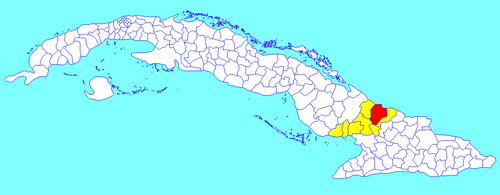
Puerto Padre is a small coastal city located in the eastern province of Las Tunas, Cuba. Situated approximately 40 kilometers southeast of the provincial capital, also named Las Tunas, Puerto Padre is known for its picturesque landscape and rich history. The city is positioned along the north coast of Cuba, bordered by the Atlantic Ocean, which has played a vital role in its development as a port town. Established in the early 19th century, Puerto Padre became an important center for the sugar industry, capitalizing on the fertile land and favorable climate of the region. Its strategic location made it a hub for the export of sugar and other agricultural products, contributing to its growth and prosperity during the 19th and early 20th centuries.
Today, Puerto Padre reflects a blend of historical architecture and the vibrant culture typical of Cuban coastal towns. The city's economy relies primarily on agriculture and fishing, with sugar production still playing a significant role despite the industry's overall decline in Cuba. The population of Puerto Padre is around 25,000, and the community maintains a strong connection to its cultural heritage, evident in local festivals, music, and dance. The annual celebrations often highlight the unique traditions of the region, including the fusion of African and Spanish influences that characterize much of Cuban culture. Moreover, the local economy has been diversifying in recent years, with increased attention on tourism as visitors are drawn to the area's natural beauty, local cuisine, and friendly atmosphere.
Puerto Padre offers a glimpse into the authentic Cuban lifestyle, away from the more commercialized tourist destinations. The surrounding landscape features stunning beaches, lush countryside, and vibrant marine life, making it an appealing destination for those interested in nature and local culture. With a modest infrastructure that includes several hotels and guesthouses, visitors can experience the charm and hospitality of this seaside town while exploring the history and traditions that define Puerto Padre. Its accessibility from major cities like Las Tunas and Holguín further solidifies its reputation as a noteworthy destination for those looking to immerse themselves in the natural and cultural wonders of Cuba.
Facts about Puerto Padre
- Puerto Padre is known for its beautiful beaches, particularly Playa de Puerto Padre, which is less commercial and offers a more tranquil environment compared to other coastal areas in Cuba.
- The town has a rich history as one of the first sugar ports on the eastern coast of Cuba, playing a vital role in the sugar industry during the colonial period.
- Puerto Padre is home to the historic San Jose Church, built in the 19th century, which showcases a blend of architectural styles that reflect the town's colonial past.
- The local economy of Puerto Padre is distinctively tied to fishing and agriculture, with a strong emphasis on tuna and lobster fishing, making it a unique economic hub compared to larger cities.
- The town celebrates the Fiesta de la Cultura every year, showcasing the local music, dance, and culinary traditions, which is particularly vibrant compared to celebrations in other parts of Cuba.
- Puerto Padre features the Parque José Martí, a central gathering place that enhances the sense of community among residents and distinguishes it as a cultural hub.
- In the late 20th century, Puerto Padre became known for its thriving music scene, especially in genres like son and salsa, contributing to the island's diverse musical heritage.
- The town has an interesting mix of colonial and modern architecture, with several well-preserved buildings that provide insight into its historical significance.
- Puerto Padre enjoys a unique geographical location as it lies on a stunning stretch of the northeastern coast, offering picturesque views of the Atlantic Ocean that are less accessible from other inland towns.
- The fishing village of Puerto Padre is also recognized for its involvement in Cuba's maritime trade, making it one of the few towns in Cuba that combines both agricultural and maritime economic activities.