Pula, Croatia
- 52,220 people
- 15 places to visit
- 44.8666, 13.8496
Places to Visit (15)
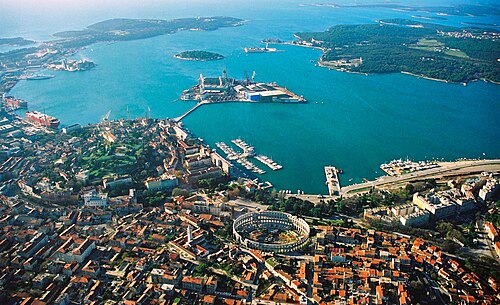
Pula is a picturesque coastal city located at the southern tip of the Istrian peninsula in Croatia. Known for its rich history and strategic maritime location, Pula has been inhabited since prehistoric times, with influences from various civilizations, including the Romans, Byzantines, Venetians, and Austrians. The city is renowned for its remarkable Roman architecture, the most iconic being the well-preserved Pula Arena, a stunning amphitheater built in the 1st century AD. This ancient structure is one of the six largest surviving Roman arenas in the world and continues to serve as a venue for various cultural events, including film festivals and concerts.
Apart from its historical significance, Pula boasts a vibrant contemporary culture influenced by its multi-ethnic heritage. It has a growing art scene, with galleries, museums, and theaters that celebrate both traditional and modern artistic expressions. The city's waterfront area features a lively promenade lined with cafés and shops, providing residents and tourists a perfect place to enjoy the stunning views of the Adriatic Sea. Pula's culinary offerings reflect its diverse history, with seafood and Istrian truffles being local specialties. Additionally, the city is a popular starting point for exploring the surrounding natural beauty, including nearby national parks and picturesque coastal landscapes. The unique blend of historical richness and modern vibrancy makes Pula a compelling destination for visitors seeking to experience both the past and present of Croatia.
Facts about Pula
- Pula is home to one of the best-preserved Roman amphitheaters in the world, the Pula Arena, which dates back to the 1st century AD.
- The city has a rich history of Roman influence, evidenced by numerous archaeological sites, including the Temple of Augustus and the Arch of the Sergii.
- Pula is located at the southern tip of the Istrian Peninsula, making it a unique coastal city with a combination of Mediterranean and continental climates.
- The annual Pula Film Festival, established in 1954, is the oldest film festival in Croatia, showcasing the best of Croatian cinema.
- Pula features an ancient Roman port, which is still in use today, supporting both commercial and passenger traffic, setting it apart from many other Croatian cities.
- The city hosts a vibrant summer festival called 'Pula's Summer Culture,' which includes concerts, exhibitions, and performances in various historical sites.
- Pula is notable for its numerous fortifications, including the 17th-century fortress called Kaštel, built by the Venetians, offering panoramic views of the city.
- The local cuisine in Pula is distinguished by its seafood dishes, influenced by both Italian and Mediterranean culinary traditions.
- Pula has a diverse population, with a unique blend of Croats, Italians, and other ethnicities contributing to its multicultural atmosphere.
- The city is also known for its rich maritime history, with several museums and exhibitions dedicated to shipbuilding and naval traditions in the region.