Punākha, Bhutan
- 21,500 people
- 7 places to visit
- 27.5921, 89.8797
Places to Visit (7)
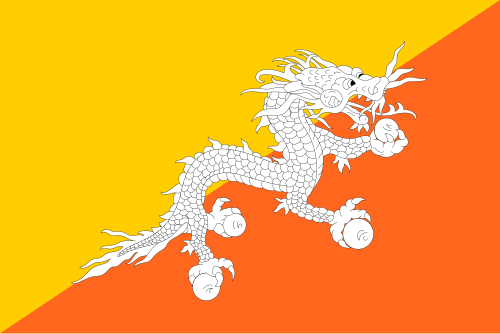
Punākha is a picturesque city located in the Punākha District of Bhutan, sitting at the confluence of the Pho Chhu and Mo Chhu rivers. Established as the country's capital in the 17th century, it is noted for its rich historical and cultural significance. The city is often regarded as one of the most beautiful places in Bhutan, renowned for its stunning landscapes, traditional architecture, and vibrant religious sites. Punākha is situated at an elevation of approximately 1,200 meters (3,900 feet) above sea level, making it warmer than other regions of Bhutan. This climate allows for a rich biodiversity and fertile agricultural land, contributing to the cultivation of crops like rice, chili, and various fruits.
The iconic Punākha Dzong, also known as Pungthang Dechen Phodrang, is the main attraction of the city and a prime example of Bhutanese architecture. Constructed in 1637 by Zhabdrung Ngawang Namgyal, the dzong served as the winter capital and holds great significance as the site where the first and second Kings of Bhutan were married. Visitors can explore breathtaking murals and intricate woodwork within the dzong, which plays a pivotal role in local governance and religious activities. Punākha is also well-known for the annual Punākha Tshechu festival, attracting numerous visitors who come to witness traditional Bhutanese dances and rituals. The city’s scenic views, including the picturesque rice terraces and surrounding mountains, coupled with its tranquil rivers, create a serene environment perfect for trekking, rafting, and immersing oneself in Bhutanese culture.
In addition to its historical and cultural features, Punākha is an important center for agriculture and trade in Bhutan. The region is predominantly rural, with most inhabitants engaged in farming and other local industries. The city's infrastructure has improved over the years, facilitating better access for tourists and enhancing trade within Bhutan. The picturesque landscape, combined with traditional Bhutanese hospitality, makes Punākha an attractive destination for both local and international tourists. As Bhutan continues to promote sustainable tourism, Punākha remains a vital part of the country's identity, balancing modernity with tradition while preserving its lush environment and vibrant culture.
Facts about Punākha
- Punākha is home to the Punākha Dzong, the most beautiful and historically significant dzong in Bhutan, built in 1637 at the confluence of the Pho Chhu and Mo Chhu rivers.
- It served as the capital of Bhutan until 1955, making it an important political and administrative center in the country's history.
- Punākha hosts the annual Punākha Drubchen festival, which is celebrated with vibrant traditional performances and reenactments of historical events, attracting both locals and tourists.
- The Punākha Dzong is notable for its stunning architecture, featuring intricate woodwork and a three-story tall golden Buddha statue inside its central temple.
- During the winter months, Punākha is known for its milder climate, making it a popular location for visitors seeking warmer temperatures compared to other regions in Bhutan.
- The town is famous for its picturesque landscape, surrounded by lush rice fields, and the scenic beauty of its river valleys, which sets it apart from Bhutan’s more mountainous areas.
- Punākha is known for hosting the first ever royal wedding in Bhutan in 2011, which took place at Punākha Dzong and was celebrated throughout the country.
- The region's historical significance is underscored by its role in the unification of Bhutan, where the first King of Bhutan, Ugyen Wangchuck, was enthroned in the Punākha Dzong in 1907.
- Punākha is also known for its unique agricultural practices, including the cultivation of red rice, which is indigenous to the region and considered a delicacy in Bhutan.
- The stunning 160-meter long suspension bridge in Punākha is one of the longest in Bhutan and offers breathtaking views of the Himalayas and the surrounding valleys.