Punāsa, India
- 350,000 people
- 2 places to visit
- 22.2361, 76.3898
Places to Visit (2)
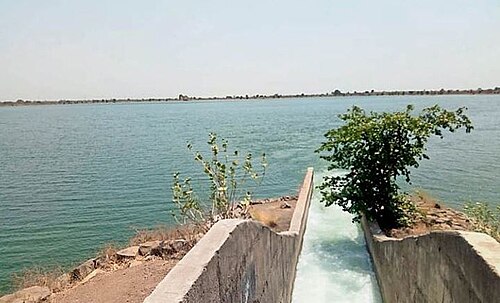
Punāsa is a small town located in the Khargone district of Madhya Pradesh, India. Nestled near the banks of the Narmada River, it serves as an important junction for agriculture and trade in the region. The town is approximately 20 kilometers from the district headquarters, Khargone, and is well connected by road, facilitating transport and commerce. The economy of Punāsa primarily revolves around agriculture, with local farmers cultivating a variety of crops, including soybeans, wheat, and pulses. The fertile land and favorable climate contribute significantly to the agricultural productivity of the region.
The community in Punāsa is predominantly rural, with a mix of different ethnic groups and cultures that reflect the diversity of Madhya Pradesh. The town features several temples and local markets that highlight its cultural heritage and traditions. The population is engaged in various economic activities, including agriculture, small-scale businesses, and local trade. Punāsa also experiences seasonal festivals that showcase local customs, drawing visitors from nearby areas who come to participate in these vibrant celebrations. Despite being a small town, Punāsa plays a vital role in the socio-economic landscape of Khargone district, contributing to the agricultural output and cultural richness of Madhya Pradesh.
Facts about Punāsa
- Punāsa is known for its unique blend of rural and urban culture, serving as a key agricultural hub while also embracing modern developments.
- The city has a rich history that dates back to ancient times, often linked to the famous Narmada River, which influences local agriculture and trade.
- Punāsa is home to several ancient temples, showcasing intricate architecture and retaining cultural significance in local spirituality and festivals.
- The city celebrates the annual Punāsa Utsav, a vibrant festival that highlights local art, music, and dance, attracting visitors from nearby regions.
- Punāsa's economy is significantly driven by agriculture, particularly the cultivation of cotton and soybean, making it an important player in India’s textile industry.
- The region around Punāsa is known for its natural beauty and biodiversity, with various parks and wildlife sanctuaries that support local flora and fauna.
- Punāsa is often celebrated for its local cuisine, known for dishes featuring seasonal vegetables and traditional spices unique to the region.
- The city has been a center for various social reform movements in the late 19th and early 20th centuries, contributing to the broader narrative of India’s independence.
- Punāsa is strategically located near major highways and rail networks, facilitating trade and travel, making it a strategic point for commerce in Madhya Pradesh.
- The educational institutions in Punāsa are known for their emphasis on arts and agriculture, distinguishing it as a center for specialized studies in these fields.