Purnia, India
- 198,453 people
- 7 places to visit
- 25.7717, 87.4792
Places to Visit (7)
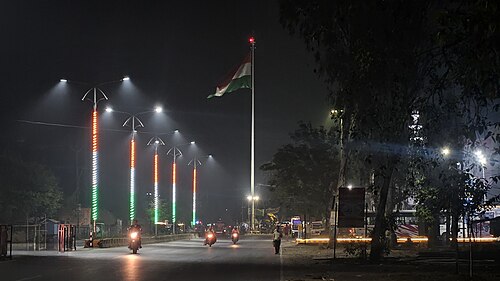
Purnia is a city located in the eastern Indian state of Bihar. It serves as the administrative headquarters of the Purnia district and is situated in the northern part of Bihar, close to the borders with West Bengal. Historically, the city has been known for its significance in trade and agriculture, emerging as a vital commercial hub for the surrounding rural areas. Purnia has also been an important center for various ethnic and cultural communities, which contribute to its rich tapestry of traditions and practices. The city's population, according to the 2011 Census, is approximately 300,000, and it has seen growth due to migration and urbanization.
The landscape of Purnia is characterized by a mix of urban and rural environments, with green fields and waterways that support agriculture, particularly rice and wheat cultivation. The city itself features several markets, educational institutions, and healthcare facilities, making it a significant urban center in the region. Purnia is well-connected by road and rail, facilitating easy access to neighboring states and regions. Notably, Purnia has roots that trace back to the Maurya and Gupta empires, making it historically rich and culturally diverse. The region celebrates various festivals, reflecting a blend of Hindu, Muslim, and local customs, and prominent events include Durga Puja and Eid celebrations.
Purnia is also known for its natural beauty, with the nearby Kosi River and lush landscapes that offer a glimpse into the area's ecological significance. The city has undergone infrastructural development in recent years, improving transportation and public services, which in turn has boosted local businesses and educational opportunities. Although faced with challenges such as poverty and unemployment, efforts by the state government and local organizations aim to improve living conditions and economic prospects for its residents. With its unique blend of tradition and modernization, Purnia remains a vital city in Bihar, playing a key role in the state's economic and cultural landscape.
Facts about Purnia
- Purnia, also known as Purnea, is one of the oldest cities in Bihar, India, with a rich historical background that dates back to ancient times.
- The city is located in the northeastern part of Bihar and serves as a significant hub for trade and commerce in the region.
- Purnia is known for its distinctive cultural heritage, which includes a blend of various ethnic communities and traditions, particularly in local festivals and cuisine.
- The city has a significant agricultural economy, with rice, maize, and sugarcane being primary crops, making it an important area for food production.
- Purnia is home to several historical sites, including the famous Kali Mandir, which attracts many devotees and tourists alike for its religious significance.
- The city has made notable progress in education, with several prestigious institutions, including the government-run Purnia University, catering to higher education needs.
- Purnia has a vibrant local art scene, featuring traditional music and dance forms that are unique to the region, showcasing its rich cultural diversity.
- The city is strategically located near the Kosi River, which historically served as a vital route for trade and transport in ancient times.
- Purnia was significantly impacted during the British colonial period, serving as a division for administrative purposes, which reflects in its urban planning.
- Notably, Purnia has been chosen as one of the cities for the Smart Cities Mission, aimed at transforming urban areas across India for better infrastructure and facilities.