Putian, China
- 1,539,389 people
- 5 places to visit
- 25.454, 119.0077
Places to Visit (5)
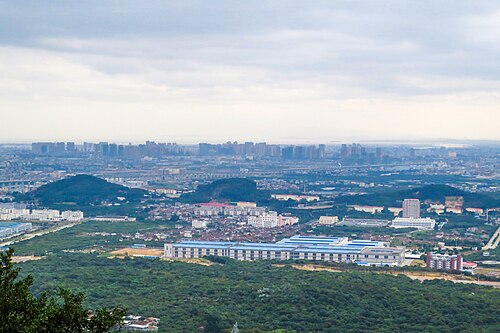
Putian is a city located in the Fujian Province of China, situated along the southeastern coast of the country. Known for its rich cultural heritage and historical significance, Putian serves as a critical economic and transportation hub in the region. The city lies approximately 150 kilometers northwest of Xiamen, one of China's major ports, and is well-connected through an extensive network of roads and railways that facilitate trade and travel. As of the 2020 census, Putian has a population of around 3 million residents, making it an important urban area within Fujian Province.
Historically, Putian has been recognized as a center for the worship of Mazu, the goddess of the sea, attracting numerous pilgrims and tourists to its well-preserved temples, notably the Mazu Temple in Meizhou Island, which is regarded as the birthplace of the goddess. The city’s cultural landscape is rich with Fujianese traditions, evident in its unique cuisine featuring dishes like Putian rice noodles, seafood, and various dumplings. Additionally, Putian is known for its production of high-quality ceramics and has a developing manufacturing sector that includes textiles, electronics, and footwear. The presence of diverse educational institutions also positions Putian as a growing center for academic pursuits, contributing to the development of a skilled workforce.
In recent years, Putian has witnessed rapid urbanization and economic transformation, becoming attractive for investment and entrepreneurship. The local government has made efforts to enhance infrastructure and promote tourism, leading to an upsurge in economic activities and improved living standards for its residents. As part of the broader development initiatives in Fujian Province, Putian aims to balance its economic growth with environmental sustainability, while continuing to preserve its cultural identity. Overall, the city is not only a testament to Fujian’s historical depth but also represents a dynamic space undergoing significant modernization and growth while embracing its rich traditions.
Facts about Putian
- Putian is known for its unique tradition of 'Putian-style' martial arts, which includes various forms of traditional Chinese boxing.
- The city is famous for the historic and beautiful sight of the Mazu Temple, which is dedicated to the goddess of the sea, Mazu, and draws thousands of pilgrims each year.
- Putian is the birthplace of the prestigious 'Putian Pai' (Putian School) in traditional Chinese medicine, which has a rich history and continues to influence local practices.
- It is also distinguished by its ancient underground city, known as the 'Buddhist Caves of Putian,' which showcase impressive rock-carved Buddhist statues.
- Putian has a vibrant seafood cuisine, renowned for its fresh shellfish, notably the 'Putian clam,' which is celebrated throughout the region.
- In terms of industry, Putian is recognized as a significant center for the manufacturing of footwear, contributing much to China's overall shoe production.
- The city hosts the annual Putian International Marathon, attracting athletes and visitors from around the globe to participate in this prestigious running event.
- Putian is home to the Putian Drama Festival, celebrated for its traditional Chinese opera performances, showcasing local cultural heritage.
- The region is famous for its tea production, particularly the Putian Oolong tea, which is valued for its unique flavor and aroma.
- Putian was historically a key trading port during the Ming Dynasty, contributing to its rich historical significance and maritime culture.