Pýrgos, Greece
- 22,399 people
- 3 places to visit
- 37.6751, 21.441
Places to Visit (3)
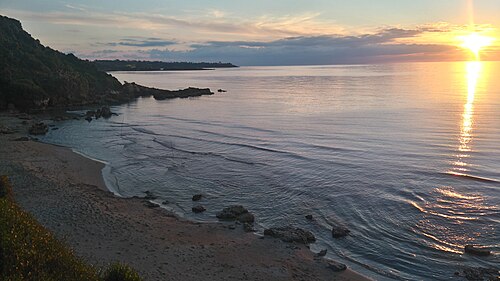
Pýrgos is a city located in the western part of Greece, serving as the capital of the Elis regional unit in the Peloponnese. With a population of approximately 25,000 inhabitants, it stands as one of the significant urban centers in the region. The city is strategically positioned near the Ionian Sea and lies approximately 50 kilometers from the ancient site of Olympia, making it an essential hub for both historical tourism and agricultural activities. Pýrgos is known for its rich agricultural landscape, particularly its production of citrus fruits and olives, which contribute significantly to the local economy. The surrounding area is characterized by rolling hills, fertile plains, and a Mediterranean climate, fostering a vibrant agricultural sector.
Historically, Pýrgos has notable significance, having been established in the 19th century. The city grew in prominence during this period as a result of its advantageous location, serving as a commercial and transportation center. One of its distinguishing features is the impressive clock tower, which has become a symbol of the city. Visitors to Pýrgos can explore nearby archaeological sites, such as ancient Olympia, which is a UNESCO World Heritage Site and the birthplace of the Olympic Games. The region also hosts a variety of cultural events, particularly during the summer months, when festivals celebrating traditional music and dance take place, contributing to the vibrant local culture. Pýrgos serves as a gateway for tourists exploring the wider attractions of the Peloponnese, blending historical significance with the charm of contemporary Greek life.
Facts about Pýrgos
- Pýrgos is the capital of the Elis regional unit in the Peloponnese, known for its proximity to ancient Olympia, the site of the original Olympic Games.
- The city is famous for its production of high-quality olives and olive oil, being one of the key agricultural centers in Greece.
- Pýrgos is home to the 19th-century St. Nicholas Church, which showcases a blend of Neo-Classical and Byzantine architectural styles.
- Every summer, the city hosts the 'Pýrgos Carnival', a vibrant festival featuring parades, costumes, and various cultural activities, attracting visitors from across the region.
- Pýrgos has a unique historical connection to the Greek War of Independence, serving as a vital supply and communication hub for revolutionaries in the 1820s.
- The city's historical center features a mix of traditional and modern architecture, reflecting its development over centuries while retaining a distinct local flavor.
- Pýrgos is known for the nearby ancient city of Bassae, which features the Temple of Apollo Epicurius, a UNESCO World Heritage site recognized for its architectural significance.
- The town was established in the early 19th century but has roots dating back to antiquity, including the presence of ancient settlements in the surrounding area.
- Pýrgos is a key transit point for visitors traveling to the archaeological site of Olympia, serving as a gateway to one of Greece's most significant historical locations.
- The city has a vibrant cultural scene, with various local festivals celebrating everything from music to gastronomy, reflecting its rich local traditions.