Qina, Egypt
- 252,883 people
- 3 places to visit
- 26.1551, 32.716
Places to Visit (3)
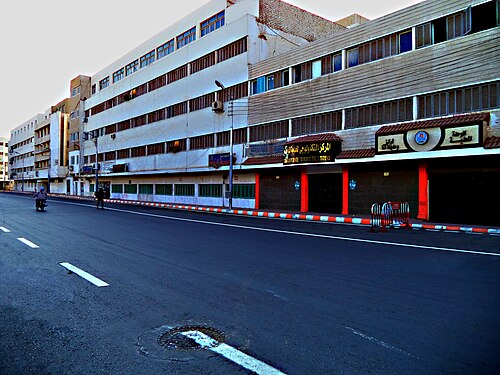
Qina is a city located in Upper Egypt, serving as the capital of the Qina Governorate. Situated on the eastern bank of the Nile River, Qina is approximately 600 kilometers south of Cairo, the capital of Egypt. The city has a population of about 150,000 residents and plays a vital role in the local economy largely through agriculture, trade, and tourism. The fertile lands around Qina benefit from the Nile’s irrigation, enabling the cultivation of crops like wheat, barley, and various fruits. Qina has historically been known for its production of sugar and is also an important center for the textile industry.
Historically, Qina has significant cultural and archaeological importance, with its roots tracing back to ancient times. The area is in close proximity to several key archaeological sites, including the ancient city of Dendera, home to the Temple of Hathor, a well-preserved monument dedicated to the goddess of music, love, and joy. Dendera is a major tourist attraction, drawing visitors interested in Egypt's pharaonic history and architecture. Additionally, Qina has been a center for various cultures and religions over the millennia, evidenced by the numerous Coptic churches and Islamic architecture within the city. The local culture reflects a mix of ancient traditions and modern influences, with vibrant markets and festivals celebrating the rich heritage of the region.
The transport infrastructure in Qina includes important railway connections and a network of roads that link it to other major cities in Egypt, facilitating both economic exchanges and tourism. With ongoing development projects and a focus on heritage conservation, Qina aims to enhance its status as a cultural and economic hub in Upper Egypt. The city's blend of historical significance and contemporary life, along with its strategic location along the Nile, makes it a noteworthy destination for those exploring Egypt's diverse landscapes and rich history.
Facts about Qina
- Qina is known for its historical significance as a center for trade during the Pharaonic and Graeco-Roman periods due to its strategic location along the Nile River.
- The city is home to the Qina Monastery, also known as the Monastery of Saint Anthony, which is one of the oldest Christian monasteries in Egypt, attracting numerous pilgrims.
- Qina boasts the ancient Temple of Khonsu, dedicated to the moon god, which is an important archaeological site that showcases the city's ancient religious significance.
- The city's economy is significantly supported by the cultivation of sugar cane, making it one of the key producers of sugar in Egypt.
- Qina serves as an important cultural hub in Upper Egypt, with its annual Qina Cultural Festival celebrating local traditions and heritage.
- Qina has a unique blend of Arab and Nubian cultures, which is reflected in its local music, dance, and cuisine, differentiating it from other cities in Egypt.
- The Qena Governorate, where Qina is located, is known for its rich biodiversity, including several unique species found in the nearby Red Sea hills.
- Qina is strategically located near the ancient site of Dendera, which is famous for the Temple of Hathor, a key attraction for tourists interested in Egyptology.
- The city has a notable educational institution, the Qena campus of South Valley University, which enhances its role as an educational center in Upper Egypt.
- Qina has maintained many traditional crafts, including pottery and weaving, which are integral to its local economy and cultural identity.