Qiqihar, China
- 882,364 people
- 6 places to visit
- 47.3543, 123.918
Places to Visit (6)
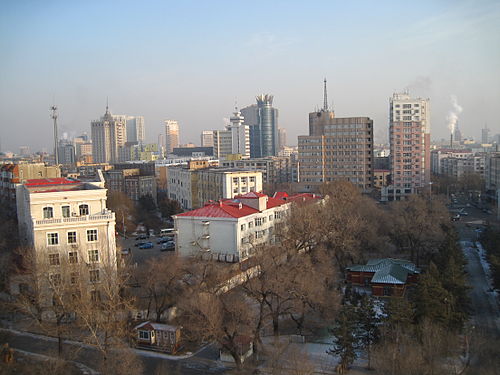
Qiqihar is a city located in the northeastern part of China, specifically within the Inner Mongolia Autonomous Region. It serves as the administrative center of Qiqihar Prefecture, which is known for its rich agricultural land and diverse natural resources. The city is positioned along the Nen River and is situated approximately 300 kilometers from Harbin, the provincial capital of Heilongjiang Province. With a population of around 2.5 million people, Qiqihar is the second-largest city in Heilongjiang and plays a crucial role in the region's economy and culture.
Historically, Qiqihar was established in the mid-17th century and has since evolved into a significant urban center. The city’s name is derived from the Manchu language, meaning "the place where the river flows." Qiqihar’s history is marked by its strategic importance during various dynasties, especially during the Qing Dynasty when it served as a key military and administrative hub. Today, the city is renowned for its expansive pastoral landscapes and serves as a critical agricultural center, producing grain, soybeans, and livestock products. The region’s economy is complemented by industries such as machinery, chemicals, and textiles, making it a vital part of China’s industrial framework.
Culturally, Qiqihar is notable for its diverse demographic makeup, including Han Chinese and various ethnic minorities, which enrich the city’s cultural tapestry. The city is also home to the famous Qiqihar International Car Exhibition and the annual Qiqihar Ice Festival, which attract tourists and showcase the region's unique heritage. Furthermore, Qiqihar is renowned for its historic architecture, such as the Qiqihar Cathedral and various Qing Dynasty temples, which reflect the city’s rich cultural history. With a blend of natural beauty, historical significance, and economic vitality, Qiqihar continues to develop as a significant urban area in China, balancing modernization with its cultural legacy.
Facts about Qiqihar
- Qiqihar is known as the 'Crane Capital of China' due to its significant population of red-crowned cranes and the nearby Zhalong Nature Reserve, which is a key habitat for these species.
- The city is one of the largest producers of agricultural products in China, particularly known for its corn, soybeans, and wheat harvests, contributing significantly to the country's food supply.
- Qiqihar has a rich history as a military and trade hub, dating back to the Jianwen Emperor's era during the Ming Dynasty when it was established as a fortified city.
- The Qiqihar City Museum houses ancient artifacts and cultural relics that highlight the history of the region, including items from the Liao and Jin Dynasties.
- The city is home to the largest medieval large wooden structures in China, known as the 'Wusi Temple', which showcases unique architectural styles not commonly found in other regions.
- Qiqihar hosts the annual 'Crane Watching Festival' that celebrates the migration of cranes to the region, attracting ornithologists and nature enthusiasts from all over.
- It is a key transportation hub in Northeast China, serving as a strategic railway junction that connects various parts of the country, facilitating trade and travel.
- Qiqihar's local cuisine is distinctive, featuring unique dishes such as 'Qiqihar stewed lamb' and various dairy products, owing to the area's strong pastoral tradition.
- The city is located near the famous Heilongjiang River, providing picturesque landscapes and opportunities for water-related recreational activities, which distinguishes it from many inland towns.
- Qiqihar's population is diverse, with various ethnic groups coexisting, enriching the cultural landscape with a blend of traditions and festivals unique to the city.