Qom, Iran
- 900,000 people
- 7 places to visit
- 34.6416, 50.8746
Places to Visit (7)
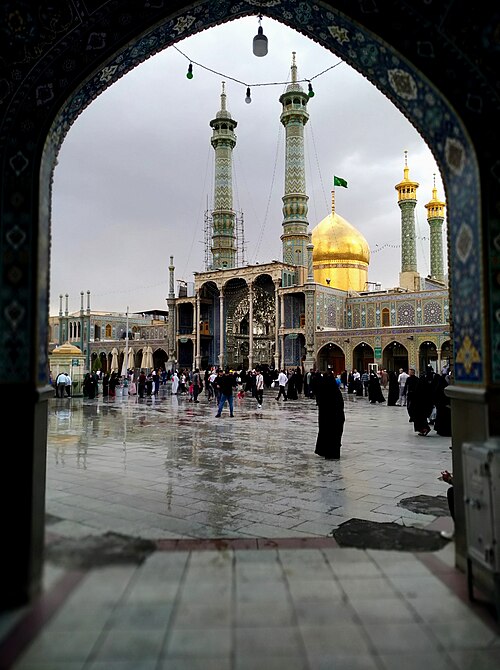
Qom, located approximately 140 kilometers southwest of Tehran, is one of Iran's most significant cities, renowned for its religious, historical, and cultural importance. It serves as a major center for Shia Islamic scholarship, housing a myriad of seminaries and religious institutions that attract students and scholars from around the world. The city is home to the prominent Hazrat Masumeh Shrine, dedicated to Fatimah Masumeh, the sister of the eighth Shia Imam, Imam Reza. This shrine is a key pilgrimage site, drawing millions of visitors annually and establishing Qom as a spiritual hub in Iran.
Founded around the 8th century, Qom has a rich history intertwined with various dynasties, including the Safavids, who contributed to its growth as a center of Shia Islam. The city's demographic makeup reflects a diverse population, with a majority being Shia Muslims, while also hosting various ethnic groups. Qom's economy primarily revolves around religious tourism, education, and traditional crafts. The city's markets feature a variety of goods, including textiles, spices, and religious artifacts. In recent decades, Qom has experienced rapid urban development, resulting in expansions in infrastructure and housing, yet it has managed to retain its religious character and cultural heritage, balancing modernization with tradition.
Despite its religious prominence, Qom is also an important political center in Iran, housing institutions that influence national policy, especially within the context of Islamic governance. Qom's clerics and scholars have been instrumental in shaping the country's political landscape, particularly in the aftermath of the Iranian Revolution of 1979. The city continues to play a pivotal role in both religious discourse and political thought, demonstrating its dual significance as a center of faith and a base for political ideologies in contemporary Iran. The combination of its historical depth, religious relevance, and ongoing educational pursuits makes Qom a unique and essential part of Iran's identity.
Facts about Qom
- Qom is considered the spiritual capital of Iran, home to the largest theological center in the country, which attracts students and scholars from around the world.
- The city is the location of the Shrine of Fatima Masumeh, an important pilgrimage site for Shia Muslims, drawing millions of visitors annually.
- Qom played a pivotal role in the Islamic Revolution of 1979, serving as a center for religious opposition against the Shah of Iran, especially with the presence of influential clerics like Ayatollah Khomeini.
- The city is known for its unique architecture, characterized by vibrant tile work and intricate domes, particularly visible in the Ahmad ibn Musa shrine complex.
- Qom is a significant center for the production of religious literature, including books on Islamic teachings, philosophy, and jurisprudence.
- The city hosts a major international conference on Islamic thought, attracting scholars and researchers from various countries to discuss contemporary issues in Islam.
- Qom is one of Iran's key cities for religious tourism, offering accommodations and facilities specifically tailored for pilgrims.
- Economically, Qom is notable for its production of traditional crafts such as carpets, ceramics, and religious artifacts, contributing to both local and national economies.
- The city is strategically located near major transportation routes, making it a crucial hub for trade and movement within Iran.
- Qom has a unique climate and geographical setting, located in a semi-arid region which influences its agriculture and local traditions.