Québec, Canada
- 531,902 people
- 12 places to visit
- 46.8131, -71.2075
Places to Visit (12)
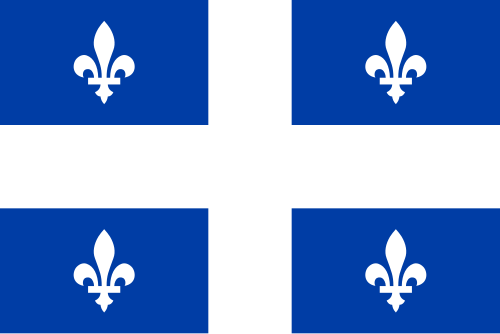
Québec City, the capital of the province of Québec, Canada, is a city steeped in history and culture. Founded in 1608 by the French explorer Samuel de Champlain, it is one of North America's oldest cities and is often celebrated for its well-preserved colonial architecture and rich heritage. The city is renowned for its historic Old Québec, a UNESCO World Heritage site, featuring cobblestone streets, charming buildings, and the iconic Château Frontenac, a grand hotel that dominates the skyline. The blend of French and English influences throughout the city contributes to its unique character, making it a focal point of cultural life in Canada.
The city is surrounded by natural beauty, located on a bluff overlooking the St. Lawrence River. Québec City experiences a humid continental climate, with cold, snowy winters and warm, humid summers. Its population is approximately 540,000, making it one of the largest cities in Canada, and the area draws millions of tourists each year who come to explore its historic sites, festivals, and culinary delights. Notable events include the Winter Carnival, one of the largest and most famous winter festivals in the world, and the summer's Festival d'été de Québec, which showcases a diverse array of musical performances. The city's vibrant arts scene, combined with its strong emphasis on the French language and culture, highlights its distinct identity within the broader Canadian landscape.
Québec City also serves as an important political and administrative center. The provincial legislature, the National Assembly of Québec, is located here, reflecting the city's role in the governance of the province. Education and research are further supported by institutions such as Laval University, one of the oldest universities in North America. The city's economy is diverse, with sectors ranging from tourism and technology to manufacturing and services playing vital roles. Overall, Québec City is a captivating destination that beautifully marries its historical significance with a dynamic modern identity, making it a unique and attractive place for both residents and visitors alike.
Facts about Québec
- Québec City is the only fortified city in North America, with its original fortifications dating back to the 17th century.
- The Old Quebec area is a UNESCO World Heritage Site, known for its well-preserved historical architecture and cobblestone streets.
- Québec City is home to the iconic Château Frontenac, one of the most photographed hotels in the world and a symbol of the city.
- The city hosts the Winter Carnival, one of the largest and oldest winter festivals in the world, attracting visitors with its unique winter culture.
- Québec City served as the capital of New France and has significant historical relevance in the development of Canada.
- The province of Québec is primarily French-speaking, making it distinct in a predominantly English-speaking country.
- The Plains of Abraham, a historic battlefield in Québec City, was the site of a pivotal battle in 1759 during the Seven Years' War.
- Québec City is known for its unique cuisine, including poutine, tourtière, and maple syrup products, reflecting its rich cultural heritage.
- The city's annual Festival d'Été, a major music festival, attracts thousands of artists and visitors from around the world.
- The Quebec Parliament Building, an architectural masterpiece completed in 1886, features a stunning blend of architectural styles and is the seat of the provincial government.