Queimados, Brazil
- 135,741 people
- 10 places to visit
- -22.7111, -43.5691
Places to Visit (10)
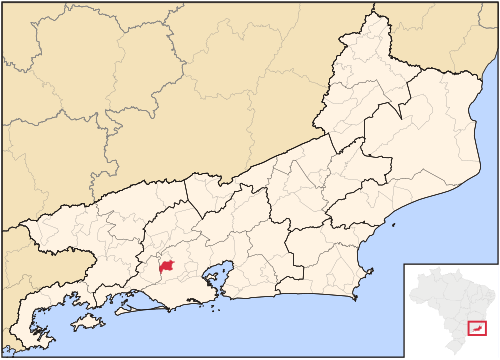
Queimados is a municipality located in the state of Rio de Janeiro, Brazil. Situated approximately 50 kilometers north of the state capital, Rio de Janeiro, it lies in the Baixada Fluminense region, an area known for its rich cultural heritage and diverse population. The city was founded in 1948, emerging from the nearby municipality of Nova Iguaçu, and has since experienced significant growth driven by urbanization and industrial development. Queimados is characterized by a mixture of residential neighborhoods and industrial zones, making it a vital part of the economic landscape of the greater metropolitan area.
Demographically, Queimados has a population of over 140,000 residents, many of whom are descendants of immigrants and Afro-Brazilians. The city reflects a melting pot of cultures that contribute to its vibrant community life, with various festivals and celebrations throughout the year that showcase local customs and traditions. The economy of Queimados relies on a mix of services, commerce, and manufacturing industries, with many residents commuting to Rio de Janeiro for work opportunities. Challenges such as infrastructure development, public safety, and social services remain pressing issues for local government as the city continues to expand.
Transportation in Queimados is facilitated by a network of roads, buses, and trains that connect it to neighboring municipalities and the wider Rio de Janeiro area. The city is serviced by the SuperVia commuter rail system, providing residents with direct access to the capital and surrounding regions. As a growing urban center, Queimados continues to develop its infrastructure and public services to meet the needs of its population, while also striving to balance economic growth with social equity and environmental sustainability.
Facts about Queimados
- Queimados is located in the state of Rio de Janeiro and is part of the Baixada Fluminense region, known for its historical significance in the music and cultural heritage of Brazil.
- The city has a strong connection to the history of sugarcane production and was once an important center for agriculture in the region.
- Queimados is characterized by its diverse population which includes a mix of indigenous, African, and European influences, contributing to a rich cultural tapestry.
- The city has a notable annual event called the 'Festa de São João', which features traditional music, dances, and local cuisines, celebrating the heritage of the area.
- Queimados is home to the Parque Natural Municipal de Queimados, a protected area that showcases the region's biodiversity and offers recreational spaces for residents and visitors.
- The city has seen significant urban growth since the late 20th century, evolving from a small town to a bustling urban center with a variety of local businesses.
- Queimados is known for its community engagement in environmental conservation, with various initiatives aimed at preserving local green spaces and promoting sustainability.
- The local government has invested in social programs aimed at improving education and opportunities for youth, making it distinct in its efforts to combat inequality.
- Queimados hosts a local football club, Queimados Futebol Clube, which has been a source of community pride and involvement in regional sports competitions.
- The city played a role in the historical development of the region, particularly during the abolition of slavery in Brazil, contributing to the cultural changes that followed.