Quelimane, Mozambique
- 349,842 people
- 4 places to visit
- -17.8503, 36.9219
Places to Visit (4)
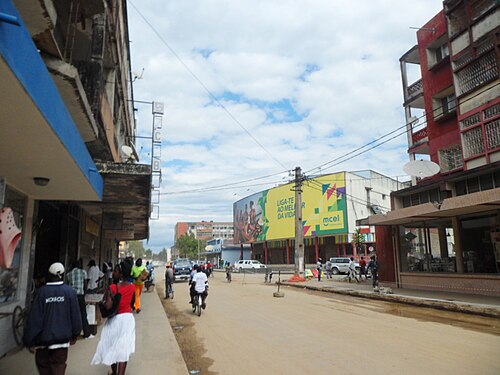
Quelimane is a vibrant city located on the eastern coast of Mozambique, serving as the capital of the Zambézia province. Positioned at the confluence of the Quelimane River and the Indian Ocean, the city boasts a rich history that dates back to the late 15th century, when it was established as a trading post by the Portuguese. Throughout its history, Quelimane has been a significant hub for trade, particularly in goods such as ivory, rubber, and spices. Today, it is known for its diverse economy, which includes agriculture, fishing, and small-scale manufacturing. The fertile surrounding lands support the farming of crops like rice, cassava, and various fruits, contributing to the livelihoods of many local families.
In addition to its economic activities, Quelimane is noted for its cultural richness and natural beauty. The city features a blend of architectural styles that reflect Portuguese colonial influences, as well as traditional Mozambican elements. Notable landmarks include the impressive Church of Nossa Senhora da Conceição and the lively markets that showcase local crafts and products. Quelimane is also surrounded by beautiful landscapes, including nearby beaches that attract both locals and visitors for their scenic views and recreational opportunities. The local culture is characterized by a mixture of African traditions, Portuguese heritage, and influences from Arab traders, creating a unique social fabric marked by vibrant music, dance, and cuisine. Festivals and cultural events are common, fostering community spirit and attracting tourists interested in experiencing the local way of life.
Despite facing challenges such as economic development issues and infrastructure limitations, Quelimane continues to evolve and grow. The city has seen investment in various sectors, including education, healthcare, and transportation, and remains a critical player in Mozambique's overall development. Its strategic coastal location and access to natural resources position Quelimane as an important center for trade and commerce in the region, contributing to the broader economic landscape of Mozambique. With its rich history, cultural diversity, and ongoing growth, Quelimane stands out as a key city on the Mozambican coastline, promising opportunities for both residents and visitors alike.
Facts about Quelimane
- Quelimane is known for its unique blend of Portuguese colonial architecture and traditional Mozambican culture, setting it apart from other cities in the country.
- The city is situated at the confluence of the Quelimane River and the Indian Ocean, making it a significant historical port and trade center in Mozambique.
- Quelimane is famous for its vibrant local markets, particularly the central market, where visitors can find a variety of seafood, fruits, and handmade crafts distinctive to the region.
- The city is home to St. Anthony's Church, a notable landmark built in the late 19th century, reflecting the city's historical ties to Portuguese colonization.
- Quelimane celebrates the Festival of Cachaça, which showcases the local sugarcane spirit and is an important cultural event that attracts visitors from across Mozambique.
- The surrounding areas of Quelimane are characterized by rich biodiversity, including mangroves and wildlife, which are unique compared to many other urban areas in Mozambique.
- Quelimane serves as a gateway to the beautiful beaches of the Zambézia province, which are less commercialized than those found in more popular tourist destinations.
- The city has a significant historical connection to the slave trade, with various sites and stories that highlight its role in this dark chapter of Mozambique's history.
- Quelimane is a key agricultural hub, particularly known for its production of cashew nuts, which distinguishes its economy from other cities in the country.
- Unlike many other Mozambican cities, Quelimane has retained a strong sense of local traditions and customs, resulting in a rich cultural tapestry that is celebrated by its residents.