Quetta, Pakistan
- 733,675 people
- 8 places to visit
- 30.1798, 66.975
Places to Visit (8)
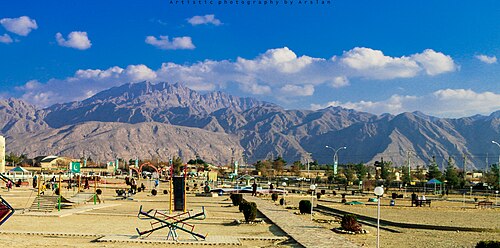
Quetta, the provincial capital of Balochistan, Pakistan, lies at an elevation of about 1,680 meters (5,500 feet) and serves as a key city in the region, both politically and economically. With a population estimated at over 1 million, Quetta is a melting pot of various ethnic groups, including Pashtuns, Baloch, Hazara, and others, making it a culturally diverse hub. The city has a strategic location near the borders of Afghanistan and Iran, which facilitates trade and provides a gateway for goods and services between South Asia and Central Asia. Its geographical position is significant, particularly in light of the China-Pakistan Economic Corridor (CPEC), which aims to enhance connectivity and infrastructure across the region.
Economically, Quetta has a mixed landscape influenced by agriculture, trade, and mining. The surrounding area is known for producing fruits, such as apples and pomegranates, which contribute to the local economy. Additionally, the city has mineral resources, including coal and gypsum, which are vital for various industries. The market landscape of Quetta features traditional bazaars and modern shopping areas, showcasing local handicrafts, textiles, and food products that attract both locals and visitors. Despite its growth and potential, Quetta faces challenges including infrastructural deficiencies, security issues, and socio-political unrest that have historically impacted its development. However, ongoing efforts towards development and stability continue to shape the city’s future, as it remains pivotal in the socioeconomic landscape of Pakistan.
Facts about Quetta
- Quetta is known as the 'Fruit Garden of Pakistan' due to its rich agricultural production, particularly of apples and pomegranates.
- The city is located at an elevation of 1,680 meters (5,500 feet) above sea level, making it one of the highest cities in Pakistan.
- Quetta serves as a gateway to the historic site of Ziarat, which is home to the Quaid-e-Azam's residence during the summer, now a national monument.
- The city is renowned for its unique Pashtun and Baloch cultures, offering a distinct blend of traditions and languages different from many other urban areas in Pakistan.
- Quetta is the center of the country's marble industry, with large deposits of high-quality marble available in the surrounding mountains.
- The city has a significant military presence and is known as a strategic military hub due to its proximity to the Afghan border.
- Quetta's famous Sibi Mela is a traditional festival that highlights the region's rich cultural heritage through music, dance, and art.
- The city is home to the Quetta Gladiators, a franchise cricket team that competes in the Pakistan Super League (PSL), highlighting the city's growing sports culture.
- Quetta's iconic Landi Kotal Market is a major trading hub for goods from Afghanistan and Central Asia, making it a key economic center.
- The Quetta Railway Station, established during British colonial rule, is a historical landmark reflecting the city’s significance in trade and transportation.