Qui Nhon, Vietnam
- 210,338 people
- 12 places to visit
- 13.783, 109.2197
Places to Visit (12)
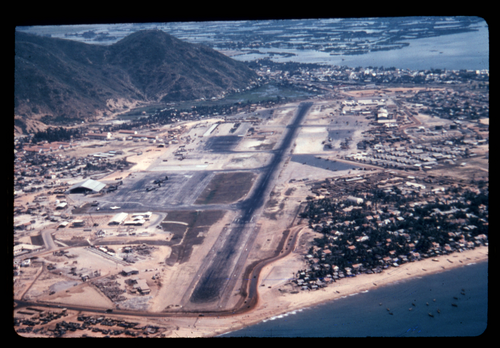
Qui Nhon is a coastal city located in Binh Dinh Province, Vietnam, known for its stunning beaches, rich history, and vibrant culture. Situated along the east coast of the country, it is approximately 650 kilometers north of Ho Chi Minh City and 1,100 kilometers south of Hanoi. Qui Nhon benefits from a tropical monsoon climate, characterized by a dry season from January to August and a rainy season from September to December. The city is surrounded by mountains and the South China Sea, creating a picturesque landscape that attracts both local and international tourists.
Historically, Qui Nhon has significant roots dating back to the Champa Kingdom, which flourished from the 4th to the 13th centuries. Remnants of this rich heritage can be seen in the impressive Cham temples scattered throughout the region, with the most famous being the Thap Doi (Twin Towers) built during the 12th century. The city also played a role during the Vietnam War, serving as a military base for U.S. forces. Today, Qui Nhon’s economy is significantly driven by tourism, fishing, and agriculture. Visitors flock to its beaches like Ky Co and Trung Luong for their clear waters and fine sand, while the nearby islands, such as Hoang Sa and Cu Lao Xanh, offer opportunities for snorkeling and diving.
Qui Nhon is also home to a thriving culinary scene that includes local specialties like bun cha, seafood dishes, and traditional rice meals. The city's vibrant markets, such as the Qui Nhon Market, feature fresh produce and handmade crafts, contributing to its lively atmosphere. As Vietnam continues to emerge as a popular travel destination, Qui Nhon offers a blend of historical significance, natural beauty, and cultural richness, ensuring its place as a noteworthy stop for those exploring the country.
Facts about Qui Nhon
- Qui Nhon is known for its beautiful and extensive beaches, such as Ky Co Beach, which is often compared to paradise due to its crystal-clear waters and soft white sand.
- The city is home to the ancient Cham temples of Thap Doi, built in the 11th century, showcasing the cultural heritage of the Cham civilization that inhabited central Vietnam.
- Qui Nhon is famous for its delicious seafood and unique local dishes, including 'Bánh Xèo' (Vietnamese pancakes) and 'Bún chả cá' (fish cake noodle soup), which sets it apart from other culinary regions in Vietnam.
- The Quy Hoa Thu Hospital, established by French doctor Alexandre Yersin in 1895, is a historic site dedicated to treating leprosy and is a testament to the city's contributions to medical history.
- Qui Nhon hosts the annual Qui Nhon International Surf Competition, attracting surfers from around the world to its world-class waves and beautiful coastal scenery.
- The city is recognized for its vibrant fishing industry, making it one of the top fishing ports in Vietnam and providing fresh seafood to local markets and beyond.
- Qui Nhon is the birthplace of many prominent Vietnamese figures, including poet Hàn Mặc Tử, contributing to its rich literary heritage.
- The area is significant for its military history, being the site of several key battles during the Vietnam War, including the infamous Battle of Qui Nhon in 1965.
- Compared to other cities in Vietnam, Qui Nhon has a slower, more laid-back atmosphere, often referred to as a hidden gem and offering a more authentic Vietnamese experience.
- The city is surrounded by stunning natural landscapes, including the lush green hills of the An Nhơn Mountains and the striking coastline, making it a great destination for ecotourism.