Quibdó, Colombia
- 129,237 people
- 5 places to visit
- 5.6956, -76.6498
Places to Visit (5)
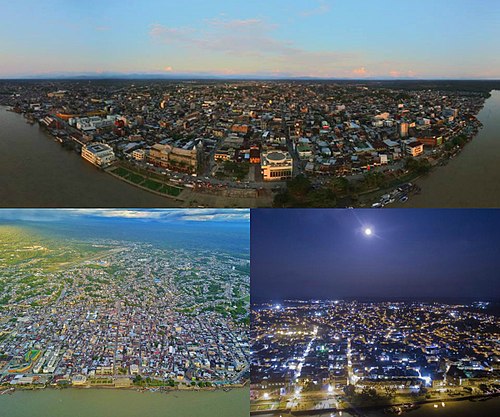
Quibdó is the capital of the Chocó department in Colombia, situated in the western part of the country near the Pacific Ocean. Known for its rich Afro-Colombian culture and biodiversity, Quibdó is surrounded by lush rainforests and waterways, contributing to its reputation as one of the wettest cities in the world, with an average annual rainfall that exceeds 463 inches (11,770 mm). The city sits at an elevation of 1,200 feet (370 meters) above sea level along the Atrato River, which plays a vital role in the region's transport and economy. Founded in the 16th century, Quibdó has a significant historical background, heavily influenced by African traditions due to the arrival of enslaved Africans during the colonial period.
The economy of Quibdó is largely based on agriculture, fishing, and timber, along with the gathering of natural resources. The surrounding areas are rich in minerals, and mining activities contribute to local employment, although they also raise concerns about environmental degradation. Quibdó's population is predominantly Afro-Colombian, and the city celebrates its cultural heritage through various festivals, such as the San Francisco Festival and the Afro-Colombian Cultural Festival, showcasing traditional music, dance, and gastronomy. Despite its cultural wealth, Quibdó faces challenges, including poverty, limited access to basic services, and high levels of violence and displacement related to the broader issues affecting the Chocó region, including armed conflict and drug trafficking.
Quibdó is also notable for its biodiversity, featuring unique flora and fauna, and lies within the Chocó-Darien biosphere. The region attracts ecotourism, with opportunities for hiking, bird-watching, and exploring the local indigenous communities. Noteworthy ecological sites, such as the Utría National Natural Park, provide a haven for wildlife and a glimpse of pristine ecosystems. Efforts to promote sustainable development and protect the environment are ongoing, aiming to balance economic growth with conservation. Overall, Quibdó is a city that embodies a blend of cultural, ecological, and historical significance, making it a unique destination in Colombia.
Facts about Quibdó
- Quibdó is the capital of the Chocó Department, known for its rich Afro-Colombian culture and heritage.
- It holds the record as one of the rainiest cities in the world, receiving an average of 463 inches of rain annually.
- The city's economy is heavily influenced by the presence of natural resources, particularly gold, due to its location near the Pacific coast and the surrounding rainforests.
- Quibdó is known for its vibrant celebrations, such as the 'Fiestas de San Francisco,' which showcases its diverse cultural traditions and music.
- Unlike many Colombian cities, Quibdó has limited accessibility by road and is often better accessed by air or boat, emphasizing its unique geography.
- The architecture in Quibdó features a blend of traditional Afro-Colombian styles and influences from Spanish colonial designs.
- Quibdó is home to the historic Church of San Francisco, built in the 18th century, which is a key landmark and reflects the city's colonial past.
- The city serves as a gateway to the Chocó Biogeographic Region, which is recognized for its exceptional biodiversity and is part of the Pacific Rainforest.
- Quibdó is notable for its efforts in preserving indigenous languages and cultures, supporting various ethnic groups in the region.
- The annual 'Encuentro de Mujeres de la Costa Pacífica' event highlights the role of women in the region, showcasing their contributions to culture, economy, and community empowerment.