Racibórz, Poland
- 58,464 people
- 12 places to visit
- 50.0915, 18.2199
Places to Visit (12)
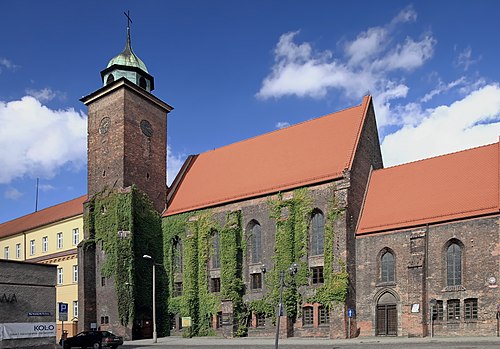
Racibórz is a city located in Silesia, in southern Poland, and serves as the administrative seat of Racibórz County. Situated on the banks of the Odra River, it lies approximately 80 kilometers northwest of Katowice and about 20 kilometers from the Czech border. With a history that dates back to the late medieval period, Racibórz has a rich cultural and historical heritage. The city's name is derived from the Slavic term "Racibor," which means "to rule." As a significant center of trade and commerce since the 13th century, it received town privileges from the Duke of Opole in 1294. Over time, the city has been under various rulers, including the Polish Piast dynasty, the Czech crown, and later the Habsburgs.
Racibórz features a variety of architectural styles, showcasing its diverse history. Notable landmarks include the Gothic-style Church of St. Nicholas, completed in the 15th century, which contains beautiful frescoes and a Baroque altarpiece. The contemporary landscape of the city is marked by green spaces, such as the beautiful park surrounding the castle ruins that once served as the residence of local dukes. The city also emphasizes its cultural identity through various festivals and events, particularly those celebrating its historical roots and traditions. As part of the Upper Silesian region, Racibórz plays an essential role in local industry and agriculture while striving for economic growth and modernization. With a population of around 55,000, Racibórz continues to develop as a vibrant community, balancing its historic charm with the needs of contemporary society.
Facts about Racibórz
- Racibórz is one of the oldest cities in Poland, with a history that dates back over a thousand years, first mentioned in 1108.
- The city is renowned for its medieval architecture, including the impressive Racibórz Castle, which serves as a significant historical landmark.
- Racibórz is home to the 'Stone of Racibórz', a legendary rock believed to have magical properties, drawing the interest of folklore enthusiasts.
- The city has a rich Jewish heritage, with historical sites such as the former Jewish cemetery and a synagogue that reflect its diverse past.
- Racibórz hosts the annual 'Raciborskie Jarmarki' (Racibórz Fair), which brings together local artisans and promotes traditional crafts and culture.
- The city is located at the confluence of the Odra River and the Gliwice Canal, making it a key center for trade and transportation in the region.
- Racibórz was historically a significant center of education, with the establishment of several schools and universities over the centuries.
- The nearby Racibórz Landscape Park offers natural attractions such as beautiful walking trails, diverse wildlife, and scenic views, distinguishing it from urban centers.
- The local cuisine is influenced by both Silesian and Czech culinary traditions, featuring unique dishes such as 'kluski slaskie' (Silesian dumplings) and 'zupa czosnkowa' (garlic soup).
- Racibórz has a vibrant local cultural scene, with numerous festivals, theater productions, and art exhibitions held throughout the year, reflecting its commitment to the arts.