Rădăuți, Romania
- 23,822 people
- 10 places to visit
- 47.8409, 25.9138
Places to Visit (10)
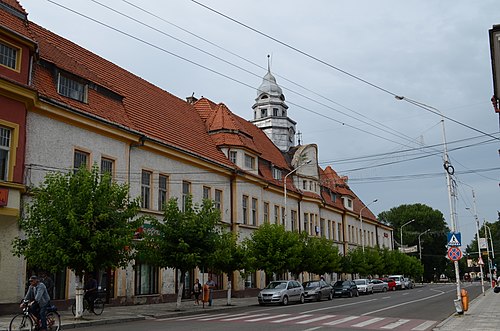
Rădăuți is a city located in Suceava County, in the region of Bukovina, Romania. Nestled in the picturesque foothills of the Eastern Carpathians, it lies approximately 30 kilometers north of the county seat, Suceava. The city has a population of around 20,000 residents and serves as an important cultural and economic center for the surrounding rural areas. Rădăuți is known for its rich history, which dates back to the Middle Ages, and was documented for the first time in the 14th century. Its strategic position along trade routes facilitated its economic development and made it a melting pot of various cultures.
Historically, Rădăuți played a significant role in the region as a religious and administrative hub. The city is home to several important religious sites, including the Church of the Assumption (Biserica Adormirea Maicii Domnului), a well-known Orthodox church constructed in the 16th century. Rădăuți was also the seat of the former Rădăuți County, and it has deep connections with the Moldavian principality, contributing to its political importance. In the 19th century, it underwent rapid industrialization, with the establishment of various industries, including textiles and wood processing, which attracted labor and economic growth.
Today, Rădăuți retains much of its historical charm, reflected in its architecture and numerous landmarks. The city is also famous for its nearby wooden churches, part of the UNESCO World Heritage list, showcasing traditional Romanian craftsmanship and religious heritage. Moreover, Rădăuți serves as a gateway for tourists looking to explore the natural beauty and cultural heritage of Bucovina, including the Painted Monasteries and the scenic landscapes of the Carpathians. With its blend of history, culture, and natural beauty, Rădăuți is a vibrant city that continues to play a vital role in the life of north-eastern Romania.
Facts about Rădăuți
- Rădăuți is known for its rich history, dating back to the 14th century, and was one of the former capitals of the historical region of Bukovina.
- The city is home to the famous Rădăuți Church, also known as the Church of St. George, which dates back to 1532 and is renowned for its impressive frescoes.
- Rădăuți is recognized for its unique wooden churches, some of which are part of the UNESCO World Heritage list, showcasing traditional Romanian architectural styles.
- The city hosts an annual festival called 'Rădăuți Festival,' celebrating local traditions, crafts, and cuisine, thus promoting cultural heritage.
- Rădăuți has a diverse population with a rich multicultural heritage, including Romanian, Ukrainian, and Jewish communities, contributing to its unique cultural atmosphere.
- The city is also known for its proximity to the famous Suceava County painted monasteries, such as Voroneț and Humor, making it a gateway for tourists.
- Rădăuți has been an important center for the woodworking industry, especially noted for producing high-quality wooden furniture and craftsmanship.
- The city's strategic location near the Suceava River has historically made it a significant trade route in the region, influencing its economic development.
- Notable figures from Rădăuți include the famous Romanian poet Mihai Eminescu, who spent part of his childhood in the area, enriching its cultural significance.
- Rădăuți is characterized by its vibrant local culture, including traditional clothing and folk music festivals that respect and preserve local customs.