Radom, Poland
- 226,794 people
- 20 places to visit
- 51.4027, 21.1471
Places to Visit (20)
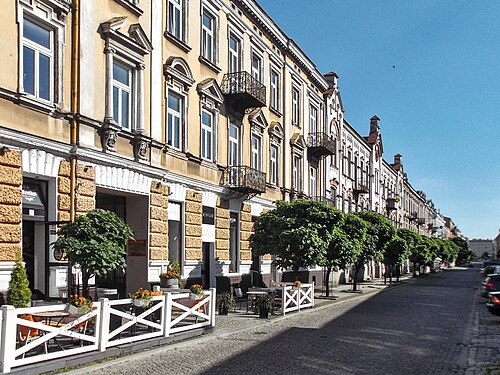
Radom is a city located in central Poland, within the Masovian Voivodeship. Situated approximately 100 kilometers south of Warsaw, it is one of the country's key urban centers with a rich historical and cultural background. The city has a population of around 200,000 residents, making it one of Poland's larger cities. Radom's history dates back to the 13th century when it began as a settlement known for its strategic position along trade routes, which facilitated economic growth. Throughout the centuries, Radom has undergone numerous transformations and developed into a prominent administrative and commercial hub, particularly renowned for its mid-20th-century industries, including textiles and machinery.
The city's landscape is characterized by a mix of historical architecture and modern urban development. Notable landmarks include the Basilica of St. Bernardine, a Gothic-style church dating back to the 15th century, and the historic market square, which features several charming buildings and cafes. Radom is also home to cultural institutions such as the Radom Cultural Center, which hosts various events, performances, and exhibitions that reflect the local artistic scene. Furthermore, the city has several parks and green spaces that contribute to the quality of life for its residents, with areas like the Planty Museum Park providing spaces for leisure and recreation.
Education plays an essential role in Radom, with institutions like the University of Technology and Humanities educating a significant number of students and contributing to the local economy. The city maintains a connection to its historical roots while embracing modernity, making Radom an intriguing destination for both residents and visitors. While it may not be as internationally known as some other Polish cities, such as Kraków or Warsaw, Radom offers a unique blend of historical charm and contemporary culture that reflects the broader narrative of Poland's development over the centuries. As the city continues to evolve, it balances preserving its heritage with adapting to the demands of a modern economy.
Facts about Radom
- Radom is known for its unique 'Ostrów' district, which features some of the oldest wooden houses in Poland, dating back to the 18th century.
- The city is home to the Radom Air Show, one of the largest aviation events in Poland, attracting pilots and aviation enthusiasts from around the world.
- Radom has a rich industrial history, particularly in the production of textiles and machinery, which played a significant role in its economic development in the 19th and 20th centuries.
- One of Radom's notable landmarks is the Gothic-style St. Mary's Cathedral, which features stunning stained glass windows and is one of the key religious sites in the region.
- The city celebrates the annual Radom Music Festival, highlighting both classical and contemporary music, making it a cultural hub for musicians and audiences alike.
- Radom is distinguished by its diverse architecture, showcasing a blend of styles from different historical periods, including Renaissance, Baroque, and modernist influences.
- The city boasts the only remaining fragment of the medieval city walls, which provides a glimpse into Radom's historical fortifications.
- Radom has a vibrant Jewish heritage, once home to a significant Jewish community before World War II, with several historical sites and memorials honoring this legacy.
- The Miejski Park in Radom, established in the 19th century, is one of the oldest urban parks in Poland, offering a picturesque space for recreation and relaxation.
- Radom’s unique local dish, 'radomski kociołek,' is a traditional stew that has become a symbol of the city’s culinary heritage.