Radomsko, Poland
- 45,353 people
- 13 places to visit
- 51.0669, 19.4449
Places to Visit (13)
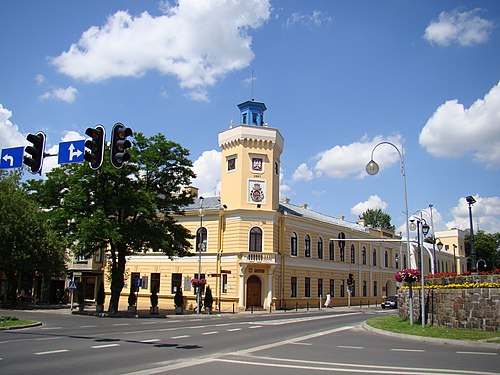
Radomsko is a historic city located in central Poland, positioned within the Łódź Voivodeship. The city has a rich heritage, dating back to the early Middle Ages, when it was first mentioned in historical records in the 13th century. It was granted town rights in 1266, which contributed to its development as a regional center. Situated near the Pilica River, Radomsko benefitted from its strategic location, enhancing trade and cultural exchange with surrounding areas. Over the centuries, it has experienced various cultural influences and has played a significant role in the history of the region, particularly during periods of economic growth and social change.
Historically, Radomsko has been known for its agricultural significance and was once a center for textile manufacturing. The city was heavily impacted by World War II, as many of its Jewish residents were tragically lost during the Holocaust. Post-war reconstruction efforts led to the establishment of various industries, including manufacturing and food production, which contributed to the local economy’s revival. Today, Radomsko is a vibrant community with modern amenities, educational institutions, and cultural landmarks. Its architecture reflects a blend of historical styles, with notable structures such as the Church of St. Ladislaus and the remnants of its medieval castles. The city continues to celebrate its heritage through various events and festivals, fostering a sense of community pride and preserving its historical narrative. Radomsko’s unique character and enduring historical significance make it an essential part of Poland's cultural landscape.
Facts about Radomsko
- Radomsko is home to the historic Church of the Assumption of the Blessed Virgin Mary, which features stunning Gothic architecture and offers insight into the region's medieval history.
- The city is known for the annual 'Radomsko Fair,' a vibrant event that showcases local crafts, agriculture, and culture, attracting visitors from across the region.
- Radomsko was an important center for the textile industry during the 19th century, contributing significantly to Poland's industrial growth during that period.
- The city has a rich Jewish heritage, with a history dating back to the 18th century, which is commemorated by the Jewish cemetery and several historical sites.
- Radomsko is located near the Pilica River, providing scenic landscapes and recreational opportunities, setting it apart from many other towns in the central part of Poland.
- It is known for promoting active lifestyles, with numerous parks and outdoor spaces, including the 'Park im. Tadeusza Kościuszki', ideal for community events and leisure activities.
- Radomsko hosts the 'Day of Radomsko,' an annual celebration featuring local music, dance, and cuisine, allowing residents to showcase their pride and culture.
- The city has a unique blend of urban and rural elements, featuring both modern amenities and traditional agricultural practices within the surrounding areas.
- Radomsko has a significant historical past marked by the proximity of the city to key wartime events during World War II, including the establishment of a German labor camp in the area.
- Radomsko is an educational hub in the region, with several vocational schools and institutions that focus on technical and practical training, making it a center for skill development.