Râmnicu Vâlcea, Romania
- 107,558 people
- 12 places to visit
- 45.0997, 24.3693
Places to Visit (12)
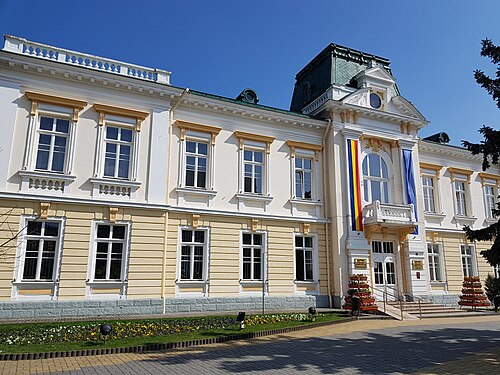
Râmnicu Vâlcea is a city located in the Vâlcea County of Romania, nestled in the picturesque region of Oltenia, along the banks of the Olt River. This city, which serves as the administrative center of Vâlcea County, has a rich history that can be traced back to the Roman period, evidenced by archaeological finds in the area. Today, Râmnicu Vâlcea is known for its blend of historical and cultural heritage, as well as its modern amenities, making it an attractive destination for both residents and visitors. The city has a population of approximately 100,000 people, reflecting a robust community that thrives amid scenic landscapes and natural beauty.
Râmnicu Vâlcea is characterized by its diverse economic activities, including industry, commerce, and agriculture. The city has developed into a significant industrial hub, particularly known for its production of textiles, food processing, and machinery. Additionally, Râmnicu Vâlcea has been progressive in modernizing its infrastructure, which has led to an improved quality of life for its inhabitants. The city's educational institutions, including universities and vocational schools, contribute to the local economy by providing a skilled workforce. Cultural life in Râmnicu Vâlcea is vibrant, with numerous festivals, art exhibitions, and theaters that showcase local talent. The city is also home to several historical landmarks, such as the Church of the Ascension and the Vâlcea County Museum, both of which reflect the rich architectural and cultural history of the region.
The natural surroundings of Râmnicu Vâlcea enhance its appeal, with proximity to the Cozia National Park, a popular destination for hiking and nature activities. The park is home to diverse flora and fauna, as well as the historic Cozia Monastery, founded in the late 14th century. This blend of historical significance, cultural vibrancy, and natural beauty positions Râmnicu Vâlcea as an integral part of Romania's landscape, offering a unique experience to those who explore its streets and surroundings. The city embodies the essence of Romanian tradition while looking toward a modern future, making it a noteworthy locale in the heart of the country.
Facts about Râmnicu Vâlcea
- Râmnicu Vâlcea is known as the 'City of Statues' due to its many parks and public spaces featuring unique sculptures and monuments.
- The city is situated at the confluence of the Olt and Olteț rivers, which has historically made it a key transportation hub in the region.
- Râmnicu Vâlcea has a rich history dating back to the Dacian period and features archaeological sites that showcase Roman and medieval remains.
- The National Museum of Râmnicu Vâlcea hosts an extensive collection of artifacts, including works of art from the famous Romanian painter Theodor Aman.
- It is home to the historic Princely Church of St. Nicholas, which dates back to the 17th century and is an important example of Brâncovenesc architecture.
- Râmnicu Vâlcea is famous for its mineral springs, attracting visitors seeking therapeutic treatments and spa experiences.
- The city hosts the 'Râmnicu Vâlcea International Music Festival,' showcasing both international and Romanian artists, enhancing its cultural significance.
- Râmnicu Vâlcea has been designated as a UNESCO Biosphere Reserve, encompassing the surrounding scenic areas of the Vâlcea County.
- The city is known for its vibrant student population, with several universities that contribute to the local culture and economy.
- Râmnicu Vâlcea is strategically located as a gateway to the Transalpina, one of Romania's highest mountain roads, making it a popular base for tourists exploring the Southern Carpathians.