Rancagua, Chile
- 212,695 people
- 12 places to visit
- -34.1701, -70.7406
Places to Visit (12)
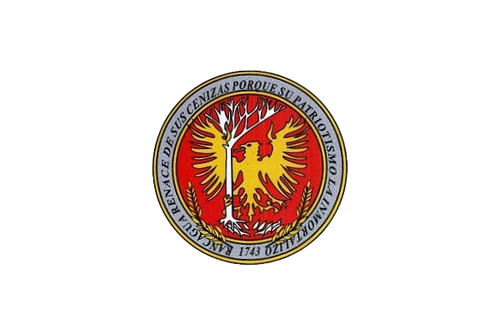
Rancagua is a city located in central Chile, approximately 87 kilometers (54 miles) south of the capital, Santiago. It is the capital of the O'Higgins Region and serves as a significant economic and industrial hub in the country. Founded in 1743, Rancagua has a rich history tied to the agricultural and mining sectors, particularly due to its proximity to the Andes Mountains. The region surrounding the city is known for its fertile lands, which contribute to a thriving agricultural industry, including the production of grapes, olives, and various fruits. The economic landscape is further diversified by the presence of the El Teniente copper mine, one of the largest underground copper mines in the world, which has had a considerable impact on the local and national economies.
Culturally, Rancagua boasts a vibrant heritage, reflected in its architecture and traditions. The city was a site of significant historical events, particularly during the Chilean War of Independence, and it has preserved various historical buildings, such as the Cathedral of Rancagua and the Plaza de Los Héroes, which commemorates heroes of the independence movement. The city hosts several festivals and events throughout the year, showcasing local culture, music, and cuisine, which highlight the blend of indigenous and Spanish influences. Additionally, Rancagua has a robust educational system, with various schools and institutions offering a range of academic programs. The city is also home to professional sports teams, including the O'Higgins F.C., which plays in the top tier of Chilean football, enhancing the sense of community and local pride among its residents. Overall, Rancagua stands out as a dynamic city that embodies both historical significance and modern development in Chile.
Facts about Rancagua
- Rancagua is known for the Battle of Rancagua, a significant conflict in the Chilean War of Independence that took place in 1814.
- The city is the capital of the O'Higgins Region, which is named after the Chilean independence leader Bernardo O'Higgins, who was born here.
- Rancagua features the historic Plaza de Los Heroes, which commemorates the heroes of the War of Independence.
- It is famous for its nearby wine production, particularly the production of high-quality red wines, as part of the wider Colchagua Valley wine region.
- Rancagua is home to the O'Higgins Football Club, which has a strong local following and has won several championships in the Chilean football league.
- The city hosts the Rancagua Opera Festival, one of the most important cultural events in the country, attracting numerous artists and opera lovers.
- Rancagua has a unique architectural style characterized by its colonial-era buildings, especially in the city's main square.
- The city is strategically located as a gateway to the Andes, making it a popular departure point for mountaineering and skiing adventures.
- Rancagua's Terminal de Buses is one of the largest bus terminals in southern Chile, providing extensive connectivity to other regions.
- The region surrounding Rancagua is known for its picturesque landscapes, including the Cerro San Vicente, which offers hiking and panoramic views of the city.