Randers, Denmark
- 62,802 people
- 13 places to visit
- 56.4606, 10.0365
Places to Visit (13)
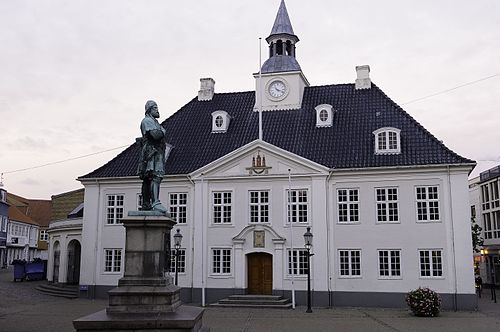
Randers is a charming city located in central Denmark, known for its rich history, beautiful landscapes, and dynamic cultural scene. Situated in the Viborg Municipality and lying along the Guden River, Randers is approximately 25 kilometers northeast of the larger city of Aarhus. With a population of around 62,000 residents, it ranks as one of Denmark's largest cities. The city has a diverse architectural heritage, featuring a mix of historical buildings and modern structures. Key landmarks include the Randers Cathedral, which dates back to the 14th century, and the iconic Randers Town Hall, showcasing neo-Renaissance architecture. Randers is also home to the unique Randers Regnskov, a tropical zoo and rainforest garden that offers visitors a glimpse of exotic wildlife in a lush, immersive environment.
Historically, Randers dates back to the Viking Age and gained prominence during the Middle Ages as a significant market town. Its strategic location facilitated trade and commerce, contributing to its growth over the centuries. The city played an essential role in Denmark's textile industry during the 19th century, which bolstered its economy and population. Today, Randers is a thriving urban center that balances modern living with its historical roots. It features numerous educational institutions, recreational facilities, and a vibrant local economy supported by various sectors, including manufacturing, services, and retail. The city hosts several cultural events and festivals throughout the year, attracting residents and tourists alike, and fostering a strong community spirit that reflects the rich heritage and contemporary life in Randers.
Facts about Randers
- Randers is home to the world’s oldest outdoor zoo, Randers Regnskov, which features a unique rainforest environment and a variety of exotic animals.
- The city is known for its distinctive architecture, particularly the historic buildings from the late 19th and early 20th centuries, including the Randers Town Hall, which features a striking clock tower.
- Randers has a rich history as a trading hub dating back to the Middle Ages, and it was granted city rights in 1441.
- The Randers Fjord is one of the city's most notable geographical features and is recognized for its scenic beauty and biodiversity.
- The city is famous for its annual Randers Carnival, a vibrant event showcasing colorful parades, music, and cultural festivities that attract visitors from all over Denmark.
- Randers is notable for its strong sporting culture, particularly in handball, where the local team, Randers HK, has achieved notable success in Danish leagues.
- The city has a significant textile heritage and was once a center for the production of woolen fabrics and textiles in Denmark.
- Randers is one of the few places in Denmark where you can find the unique architectural feature of 'rundkasteller,' circular fortifications built in the 16th century.
- The city is home to the Randers Art Museum, which boasts an impressive collection of Danish and international art, with a focus on modern and contemporary works.
- Randers offers a vibrant blue trail along the Gudenå River, which is Denmark's longest river, providing opportunities for outdoor recreation and stunning views.