Randolph MA, United States
- 32,112 people
- 14 places to visit
- 42.162, -71.0426
Places to Visit (14)
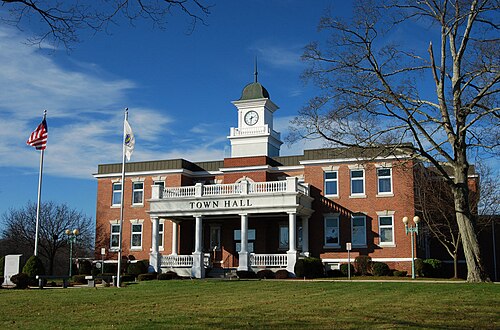
Randolph, Massachusetts, is a suburban town located in Norfolk County, approximately 15 miles south of downtown Boston. Established in 1793, Randolph originally developed as an agricultural community, but it has transformed into a vibrant residential area with a diverse population. The town covers a total area of about 11.5 square miles, with a mix of urban and suburban characteristics. Randolph is easily accessible via major highways, including Interstate 93 and Route 24, and it is served by the MBTA commuter rail, providing residents with convenient options for travel to Boston and surrounding areas.
Randolph's demographics reflect a rich cultural diversity, with a population of around 34,000 residents as of the 2020 census. The town features a blend of residential neighborhoods, parks, and commercial areas, fostering a strong sense of community. Local schools, governed by the Randolph Public Schools district, are an integral part of the town, focusing on educational excellence and community engagement. Additionally, Randolph is known for its recreational facilities, such as the popular Randolph Community Center, and various parks that offer activities ranging from sports to walking trails. The town also hosts events and programs that celebrate its cultural diversity, contributing to a lively community atmosphere.
Randolph has a rich history, with several sites of historical significance, including the Randolph Cemetery, which dates back to the 1700s, and the historic buildings in the town center. Over the years, Randolph has seen significant economic development, with an emphasis on creating a welcoming environment for businesses while maintaining the charm of the community. With its proximity to urban centers, diverse population, and robust community resources, Randolph continues to thrive as a desirable place to live, work, and visit in Massachusetts.
Facts about Randolph
- Randolph, MA was incorporated in 1793 and was originally part of the town of Braintree.
- The city is known for its diverse community, with a significant population of immigrants from various countries enhancing its cultural landscape.
- Randolph is home to the Randolph Community College, which serves as a hub for local education and professional development.
- The city has a rich history in agriculture and farming, particularly during the 19th century, contributing to its early economy.
- Randolph is home to the Blue Hills Reservation, a nearby state park offering outdoor recreational activities, including hiking and skiing.
- The town is known for the annual Randolph Patriots Day, which features parades and various family-friendly events celebrating the community.
- Randolph was historically an important stop on the stagecoach route between Boston and points south, contributing to its growth in the 1800s.
- The city has a notable public art program that enhances its attractive neighborhoods with murals and sculptures created by local artists.
- Randolph is known for its strong public school system, which has received numerous accolades for educational excellence.
- The town boasts a unique assortment of historic architecture, including colonial-era homes and the iconic Stetson Hall, which serves as a community gathering space.