Rangpur, Bangladesh
- 1,031,388 people
- 8 places to visit
- 25.7494, 89.2611
Places to Visit (8)
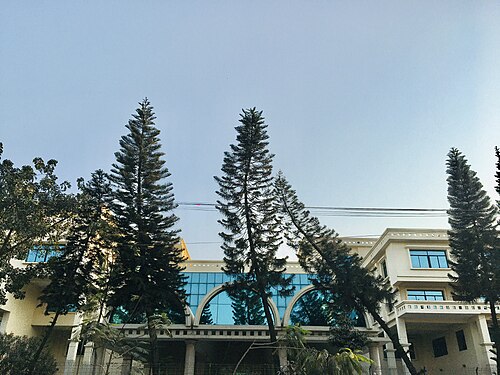
Rangpur is a vibrant city located in the northern part of Bangladesh, serving as the administrative capital of the Rangpur Division. Established during the British colonial period, Rangpur has a rich history that dates back centuries, emerging as an important center for trade and commerce. The city is strategically positioned near the banks of the Ghaghat River and is known for its fertile agricultural land, contributing significantly to the economy of Bangladesh. The population of Rangpur is diverse, comprising various ethnic groups and communities, and it has grown considerably in recent years, with estimates placing it at over 300,000 residents.
The economy of Rangpur is largely driven by agriculture, with rice, jute, and potatoes being the primary crops cultivated in the surrounding countryside. Additionally, Rangpur has developed a thriving jute processing industry, capitalizing on the region's rich natural resources. Over recent years, the local government has made efforts to promote economic development, infrastructure improvements, and educational advancements, which have contributed to the city's growth. Rangpur also boasts cultural significance, with numerous educational institutions, libraries, and arts centers contributing to its social fabric. The city is home to several markets, pharmacies, and shopping centers, providing a bustling atmosphere for residents and visitors alike.
In terms of transportation, Rangpur is well-connected by road and rail, making it accessible from other major cities in Bangladesh. The city has a railway station that serves as a hub for various routes, facilitating the movement of people and goods. Apart from its economic and cultural attributes, Rangpur is also known for its natural beauty, featuring parks and recreational areas that attract locals and tourists. The city celebrates various festivals that reflect the rich cultural heritage of Bangladesh, including traditional events, fairs, and religious observances, fostering a sense of community and continuity among its residents. With its unique blend of history, culture, and economic opportunities, Rangpur is a notable city in the landscape of Bangladesh, representing both its past and its potential for the future.
Facts about Rangpur
- Rangpur is known as the gateway to the northern region of Bangladesh and plays a vital role in trade and commerce.
- The city was founded in the late 18th century, during the British colonial period, and has a rich history marked by its development as a commercial hub.
- Rangpur is famous for the 'Rangpur sweet pumpkin', a unique variety of pumpkin recognized for its sweetness and quality, which is a significant part of local agriculture.
- The iconic Tajhat Palace, built in the 19th century, is a prominent landmark in Rangpur and reflects Indo-Saracenic architectural style, serving as a museum today.
- Rangpur is notable for its vibrant fairs and festivals, including the Chhath Puja, which attracts thousands of devotees from various regions.
- The city hosts the Rangpur Division, which is one of the largest administrative divisions in Bangladesh, enhancing its significance in governance.
- Rangpur is recognized for its contributions to the national economy through agriculture, notably in the production of potatoes and jute, both major cash crops.
- The Kuthibari, the historic winter residence of Rabindranath Tagore's family, is located in Rangpur and is a site of cultural importance.
- Rangpur has a diverse population, reflecting a mix of various ethnicities and communities, contributing to its rich cultural tapestry.
- The city is also home to numerous educational institutions, including Rangpur Medical College, which is among the notable medical colleges in Bangladesh.