Rastatt, Germany
- 47,906 people
- 14 places to visit
- 48.859, 8.21
Places to Visit (14)
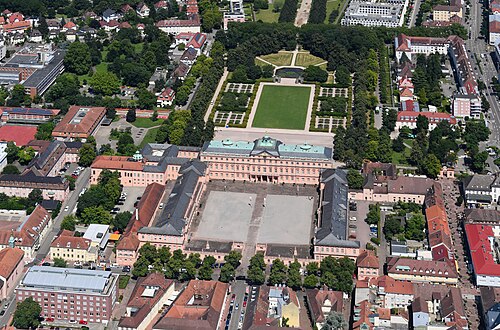
Rastatt is a historic city located in Baden-Württemberg, Germany, situated at the western edge of the Black Forest, near the border with France. The city has a population of approximately 48,000 residents and is renowned for its baroque architecture, particularly the Rastatt Palace, which was built in the late 17th century. The palace, designed by architect Antonio de Vico, served as a residence for Margrave Ludwig Wilhelm of Baden and is considered one of the first baroque palaces in the region. The expansive gardens and grand interiors of the palace attract many visitors each year, highlighting Rastatt's rich cultural heritage.
Beyond its architectural significance, Rastatt is also known for its strategic location. It serves as an important junction for transportation, connecting the A5 motorway and various railway lines, making it a gateway between Germany and France. The city has a vibrant local economy supported by various industries, including manufacturing, logistics, and services. In addition, Rastatt is home to several parks and recreational areas, such as the expansive Stadtgarten, which provide residents and visitors with opportunities for leisure and outdoor activities. The city hosts various cultural events throughout the year, including the Rastatt Music Festival and Christmas markets, contributing to its lively community atmosphere. With its blend of historical significance and modern amenities, Rastatt remains a charming destination for both tourists and locals.
Facts about Rastatt
- Rastatt is known for the Baroque-style Rastatt Palace, which was built in the early 18th century and is one of the largest palaces in Germany.
- The city played a significant role in the Peace of Rastatt in 1714, which marked the end of the War of the Spanish Succession.
- Rastatt is home to the only remaining military bastion in the state of Baden-Württemberg, the 'Alter Bahnhof' (Old Train Station), which is a notable historical site.
- The city hosts the annual Rastatt Christmas Market, known for its unique handmade crafts and traditional local specialties, attracting visitors from across the region.
- Rastatt is situated at the northern edge of the Black Forest, making it a popular gateway for outdoor activities and tourism in the region.
- The city has a rich cultural scene, including the Festspielhaus Rastatt, an opera house that regularly features performances by renowned artists and companies.
- Rastatt was a center for manufacturing and industry in the 19th century, known especially for its production of artillery and other military equipment.
- The city's location along the Rhine River has made it an important logistics and transportation hub in Germany.
- Rastatt is twinned with several cities across Europe, fostering international relationships and cultural exchange.
- The city has a strong commitment to sustainability and green living, evidenced by its numerous parks and community initiatives promoting environmental awareness.