Ravenna, Italy
- 80,868 people
- 17 places to visit
- 44.4184, 12.2035
Places to Visit (17)
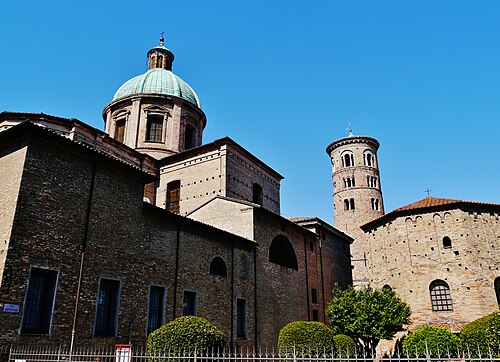
Ravenna, a city located in northeastern Italy, is known for its rich history and stunning Byzantine architecture. Established as a Roman port city on the Adriatic Sea, it flourished during the 5th century when it became the capital of the Western Roman Empire. This strategic location contributed to its prosperity and cultural importance, making it a meeting point for various civilizations, including the Byzantines. Today, Ravenna is renowned for its well-preserved ancient mosaics, which are considered among the finest in the world. UNESCO recognized the city's historical and cultural significance by designating eight of its sites as World Heritage Sites in 1996.
The city is home to several noteworthy landmarks, including the Basilica di San Vitale, famous for its intricate mosaic work that depicts scenes of the Old and New Testaments, and the Mausoleum of Galla Placidia, which features stunning starry mosaics on its ceiling. Ravenna is also the final resting place of the poet Dante Alighieri, creator of "The Divine Comedy," who spent the last years of his life in the city. Aside from its famed historical sites, Ravenna boasts a vibrant cultural scene with a multitude of festivals, art exhibitions, and performances throughout the year. Its charming streets, lined with cafés and boutiques, invite leisurely exploration and provide a glimpse into the city’s artistic heritage and modern Italian life.
Facts about Ravenna
- Ravenna is home to eight UNESCO World Heritage Sites, more than any other city in Italy, primarily due to its exceptional early Christian mosaics.
- The city was the capital of the Western Roman Empire for a brief period in the 5th century, making it a significant historical center during the decline of Rome.
- Ravenna boasts the famous Basilica of San Vitale, known for its remarkable octagonal structure and impressive mosaics that depict biblical scenes.
- The Mausoleum of Galla Placidia in Ravenna features stunning mosaics and is known for its starry sky ceiling, often considered a masterpiece of early Christian art.
- Ravenna served as a key strategic naval base during the Byzantine Empire and was an important port city in its time.
- Unlike many other Italian cities, Ravenna has no significant Roman ruins; instead, it is celebrated for its Byzantine architecture and art.
- The city hosts the annual Ravenna Festival, an event dedicated to music, dance, and drama, attracting artists and audiences from around the world.
- Dante Alighieri, the renowned author of 'The Divine Comedy', spent his final years in Ravenna and is buried there, drawing literary pilgrims to the city.
- Ravenna’s unique blend of Roman, Byzantine, and early Christian influences is reflected in its architecture, setting it apart from other Italian cities.
- The city's long-standing tradition of mosaic art continues to thrive, with artisans trained in the ancient craft still producing stunning pieces today.