Rawalpindi, Pakistan
- 1,743,101 people
- 7 places to visit
- 33.5651, 73.0169
Places to Visit (7)
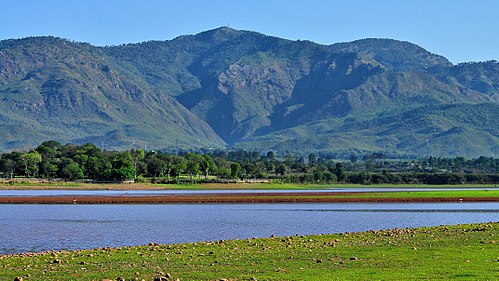
Rawalpindi, located in the Punjab province of Pakistan, is one of the country's major cities and a vital cultural and economic hub. It lies near the capital city of Islamabad, just a few kilometers to the southwest, making it an integral part of the Islamabad-Rawalpindi metropolitan area. The city is known for its rich history, which dates back to ancient times, with archaeological evidence suggesting a series of settlements in the region for thousands of years. Rawalpindi has played a crucial role throughout the Mughal and British colonial eras, being named after the village of Rawal, which was named after a local water spring. Today, it is often referred to as "Pindi" by locals and is recognized for its vibrant markets, traditional bazaars, and a variety of culinary delights.
The population of Rawalpindi is estimated to be over 2 million residents, representing a diverse blend of ethnic groups and cultures, including Punjabis, Pashtuns, Kashmiris, and Muhajirs. This diversity is reflected in the city's multifaceted lifestyle and cultural practices. Rawalpindi serves as an important military garrison and is home to several key military installations, which contributes significantly to its strategic importance in Pakistan. Due to its proximity to the capital, Rawalpindi also serves as a major center for trade and commerce, boasting a wide array of businesses ranging from textiles to handicrafts. The twin city relationship with Islamabad enhances its economic and social dynamics, facilitating growth and improvement in infrastructure and public services.
Touristically, Rawalpindi offers historical attractions such as the Rawalpindi Ring Road, the ancient Qasar-e-Muallah, and the picturesque Liaquat Bagh, which has become a hub for public gatherings and events. The city is also adjacent to the picturesque Murree Hills and other northern tourist destinations, making it a favored starting point for travelers heading to the mountainous regions of Pakistan. With ongoing development projects aimed at modernizing its infrastructure and improving quality of life, Rawalpindi continues to evolve while maintaining its historical and cultural essence, making it an essential part of Pakistan's urban landscape.
Facts about Rawalpindi
- Rawalpindi is often referred to as 'Pindi' and serves as the fourth-largest city in Pakistan.
- The city is located adjacent to the capital of Pakistan, Islamabad, and is a crucial military headquarters, being home to the Pakistan Army's General Headquarters (GHQ).
- Rawalpindi is known for its vibrant bazaars and markets, such as Raja Bazaar, which is famous for traditional handicrafts and local street food.
- The city has a rich history dating back to the Mughal Empire, with landmarks such as the historic Rawalpindi Old City and the ancient Gandhi Mausoleum.
- Rawalpindi hosts the largest military hospital in Pakistan, the Combined Military Hospital (CMH), which provides healthcare to military personnel as well as civilians.
- The city is a gateway to the northern areas of Pakistan, making it a popular stop for tourists heading to regions like Murree, Nathiagali, and Abbottabad.
- Rawalpindi features several architectural landmarks, such as the Liaquat Bagh, named after the first Prime Minister of Pakistan, Liaquat Ali Khan.
- The city has a significant sporting culture, especially in cricket, being home to the Rawalpindi Cricket Stadium which has hosted international cricket matches.
- Rawalpindi has a diverse population, with people from various ethnic backgrounds, including Punjabis, Pashtuns, and Muhajirs, contributing to its rich cultural tapestry.
- The city played a pivotal role during the independence movement of Pakistan and has been a site for many historical events and public demonstrations.