Rayong, Thailand
- 106,737 people
- 8 places to visit
- 12.6814, 101.2816
Places to Visit (8)
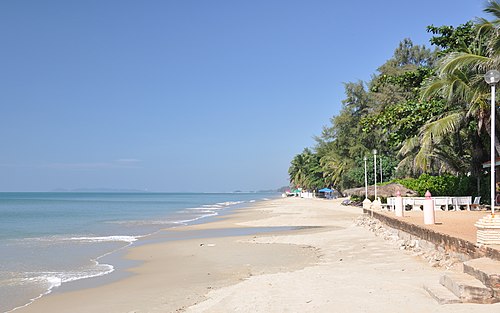
Rayong is a coastal city located in eastern Thailand, approximately 180 kilometers southeast of Bangkok. It is the capital of Rayong Province and serves as an important industrial and trading center in the region. The city is renowned for its beautiful beaches, such as Ao Prao and Mae Ramphueng, which attract both local and international tourists. In addition to its natural beauty, Rayong is a significant hub for various industries, including petrochemicals, manufacturing, and agriculture. The proximity to the Eastern Economic Corridor (EEC) initiative positions Rayong as a prime area for economic development, attracting investments and fostering growth in technology and innovation.
Rayong's cultural offerings are diverse and reflective of its historical significance. The local economy heavily relies on seafood, and the city hosts a vibrant market scene where fresh produce and local delicacies are readily available. Visitors can explore traditional Thai markets, such as the Rayong Night Market, which showcases a variety of street food options and local handicrafts. Additionally, Rayong is home to several temples, such as Wat Pa Pradu, known for its reclining Buddha statue, and Wat Sothon Wararam, which is significant among Buddhist practitioners. The city's strategic location also makes it a gateway to nearby islands, including Koh Samet, which is a popular destination for beachgoers seeking relaxation or water sports. With its blend of industrial growth, cultural richness, and natural attractions, Rayong continues to thrive as an essential destination in Thailand.
Facts about Rayong
- Rayong is renowned for its beautiful beaches, including Mae Ramphueng Beach, which is one of the longest and cleanest beaches in Eastern Thailand.
- The city is a major industrial hub of Thailand, often referred to as the 'Gateway to the Eastern Economic Corridor', hosting many manufacturing plants, especially in the automotive and petrochemical sectors.
- Rayong is home to the famous Khao Laem Ya National Park, which encompasses both land and marine environments, making it a unique destination for eco-tourism.
- It celebrates the annual Rayong Fruit Festival, which showcases the region's rich agricultural produce, particularly tropical fruits such as durian and mangosteen.
- Rayong has a significant fishing industry, with its ports serving as a base for fishing fleets and seafood processing companies, distinguishing it from many inland cities.
- The city features the historic Sunthon Phu Monument, commemorating one of Thailand's most celebrated poets and a native of Rayong, who contributed significantly to Thai literature.
- In terms of its geography, Rayong has several islands off its shores, including Koh Samet, which is well-known for its stunning beaches and vibrant nightlife, attracting many tourists.
- Rayong hosts the annual International Fireworks Festival, which draws thousands of spectators and showcases stunning pyrotechnic displays from around the world.
- The local cuisine in Rayong is notable for its fresh seafood, thanks to its coastal location, with dishes like 'Pla Pao' (grilled fish) being particularly popular.
- Rayong has a unique blend of modernity and tradition, as seen in its local markets like the Rayong Walking Street, where visitors can experience local crafts, food, and culture.