Razgrad, Bulgaria
- 38,285 people
- 8 places to visit
- 43.5337, 26.5411
Places to Visit (8)
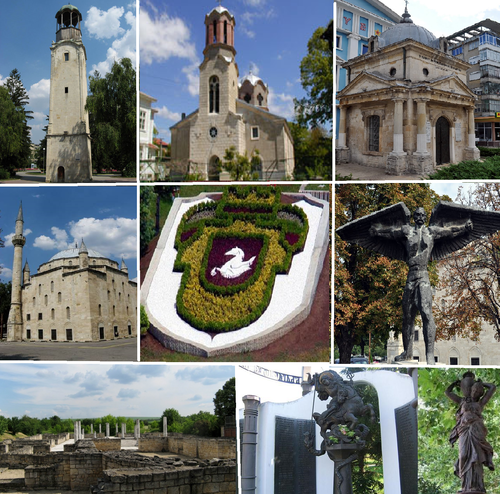
Razgrad is a notable city located in northeastern Bulgaria, serving as the administrative center of the Razgrad Province. Positioned near the banks of the Beli Lom River, the city is approximately 130 kilometers northeast of the capital, Sofia, and is uniquely situated between the major cities of Varna and Veliko Tarnovo. With a population of around 28,000 residents, Razgrad is characterized by its rich history and diverse cultural heritage. The region has been inhabited since ancient times, with archaeological evidence indicating that Thracian tribes first settled here before the arrival of the Romans. The city's history is marked by various influences, including Ottoman rule, which has left a lasting impact on the local architecture and culture.
A key feature of Razgrad is its historical significance, which is illustrated by several well-preserved sites. The remains of the ancient Roman city of Abritus, located close to the modern city, showcase significant archaeological findings, including ruins of fortifications and residential areas. The site is particularly notable for its two large Roman mausoleums, which offer insights into the funerary practices of that era. Another highlight of Razgrad is the Tomb of the Thracian Kings, a burial complex that further emphasizes the region’s ancient roots. Razgrad is also home to several cultural institutions, including the Razgrad Drama Theater and the Ethnographic Museum, which serve to preserve and promote local traditions. The city hosts various cultural events throughout the year, including festivals and art exhibitions, that reflect the vibrant life of its residents.
The economy of Razgrad is primarily driven by agriculture, manufacturing, and small businesses. The surrounding region is fertile and supports the cultivation of crops, while industries like food processing and textiles contribute to the local economy. In recent years, there has been a push towards modernization and development, with local authorities focusing on improving infrastructure and attracting investment. The city’s transport links, including roads and railways, facilitate connectivity with major urban centers, enhancing Razgrad's status as an emerging hub in the region. Overall, Razgrad combines historical depth, cultural richness, and economic potential, making it a significant city within Bulgaria’s diverse landscape.
Facts about Razgrad
- Razgrad is home to the ancient Roman city of Abritus, which has well-preserved ruins that include a fortress and impressive archaeological finds, distinguishing it from many other Bulgarian towns.
- The city is known for the unique Egyptian alabaster statue of the goddess Isis, discovered in Abritus, which highlights its historical significance during the Roman Empire.
- Razgrad hosts the traditional 'Gergiovden' fair, celebrating St. George's Day, which is a vibrant event featuring folklore, traditions, and local crafts unique to the region.
- The town is famous for its locally-produced 'kapama', a traditional Bulgarian dish that combines rice, meat, and spices, often enjoyed during festivals and gatherings.
- Razgrad is strategically located just 70 kilometers from the Danube River, offering scenic views and opportunities for river-based tourism, setting it apart from inland cities.
- The Razgrad History Museum features extensive exhibitions on the town’s history, focusing on its Thracian, Roman, and Medieval periods, making it one of the key cultural centers in northeastern Bulgaria.
- The city is home to the St. Nicholas Church, noteworthy for its beautiful frescoes and unique architectural style blending Eastern Orthodox and local design elements.
- Razgrad is one of the few Bulgarian cities that hosts an annual international folklore festival, bringing together performers and folklorists from various countries to celebrate cultural diversity.
- The city has a rich tradition in sports, particularly in football, as the home of the professional football club Ludogorets Razgrad, which has achieved significant success in Bulgarian and European competitions.
- Razgrad's proximity to the Sredna Gora mountain range allows for unique outdoor recreational opportunities, including hiking and nature exploration, distinguishing it from other Bulgarian urban centers.